

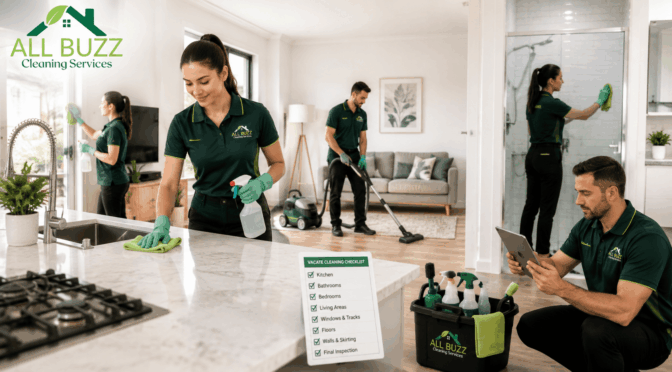
Moving out of a rental property can be stressful enough without worrying about whether your bond will be returned. One of the most common sources of disagreement between tenants and landlords is the condition in which a property is left at the end of a tenancy.
A tenant may believe the property is clean, while a landlord or property manager may identify dust around skirting boards, grease inside an oven, marks on walls, soap residue in bathrooms, or dirt in less obvious areas. These differences in expectations can quickly turn into Rental Disputes, particularly when there is a disagreement about what constitutes an acceptable standard of cleanliness.
This is where professional Vacate Cleaners Perth can provide practical value. A thorough end-of-lease clean is not simply about making a property look presentable. It is about systematically addressing the areas commonly assessed during a final inspection and creating a clearer connection between the property’s previous condition and its condition when the tenant leaves.
For tenants searching for vacate cleaning tips for tenants in Perth, one of the most important lessons is simple: do not clean only what is immediately visible. End-of-tenancy cleaning requires a methodical approach that considers kitchens, bathrooms, floors, windows, fixtures, appliances and other areas that may be examined during the final inspection.
Professional cleaning cannot guarantee a bond outcome, because cleaning is only one part of a property’s overall condition. However, when carried out properly, it can significantly reduce avoidable disagreements and give tenants greater confidence that cleaning-related concerns have been addressed.
Why End-of-Tenancy Cleaning Can Lead to Rental Disputes
Rental properties experience ordinary wear and tear throughout a tenancy. At the same time, tenants are generally expected to return the property in an appropriately clean condition, subject to the applicable tenancy agreement and local rental requirements.
The difficulty is that cleaning quality can be subjective.
A tenant might vacuum a carpet and consider the room finished. During an inspection, however, a property manager might notice dust along the skirting boards, debris behind furniture or marks on doors.
Similarly, a tenant may wipe a kitchen benchtop but overlook:
- Grease around the cooktop
- Residue inside the oven
- Dust on rangehood filters
- Dirt inside cupboards
- Food particles in drawers
- Marks around splashbacks
- Build-up around taps and sinks
These small omissions can become significant when several are found during a final inspection.
Professional Perth Vacate Cleaners approach the property differently. Rather than cleaning based only on what catches the eye, they generally work through the property systematically, room by room and surface by surface.
That methodical process is particularly useful when tenants want to minimise cleaning-related disagreements.
Rental Cleaning: What Makes a Vacate Clean Different?
Routine Cleaning Versus End-of-Lease Cleaning
Routine household cleaning is designed to keep a property comfortable and hygienic while someone is living there.
Vacate cleaning has a different objective.
The property is being prepared for inspection, handover and potentially the next occupant. Furniture may have been removed, making previously hidden areas accessible. Appliances that were used regularly may need more detailed cleaning. Floors, walls, doors and fixtures become easier to inspect when rooms are empty.
A professional Perth Vacate Cleaning Services team will typically consider the entire property rather than concentrating only on frequently used areas.
Depending on the property and agreed scope, this can include:
- Kitchen surfaces and appliances
- Bathrooms and sanitary fixtures
- Floors and skirting boards
- Doors, handles and frames
- Interior cupboards and drawers
- Windows and accessible glass
- Light fittings and switches
- Built-in wardrobes
- Laundry areas
- General dust removal
- Cobweb removal
- Other agreed cleaning areas
The exact scope should always be confirmed before the work begins.
Why Empty Properties Are Easier to Assess
One practical issue tenants sometimes underestimate is how different a property looks once it is empty.
When furniture is present, dust and marks behind or underneath it can be difficult to notice. Once the property is vacant, these areas become much more visible.
An experienced cleaner can use this opportunity to inspect areas such as:
- Behind appliances
- Under furniture
- Along skirting boards
- Inside cupboards
- Around door frames
- Behind bathroom fixtures
- Along window tracks
- In corners and edges
This attention to detail can make a meaningful difference during a final inspection.
Condition Reports and Why They Matter
A Condition Report is an important reference point in many rental arrangements because it records the property’s condition at a particular stage of the tenancy.
For tenants, reviewing the original condition documentation before cleaning can be extremely useful.
Instead of trying to make the property look “perfect” according to an undefined standard, compare the property’s current condition with the original documentation and tenancy requirements.
Look for differences involving:
- Cleanliness
- Existing marks
- Damage
- Carpets
- Walls
- Appliances
- Fixtures
- Outdoor areas, where applicable
This distinction matters because cleaning and damage are not the same issue.
For example, a dirty wall may potentially be addressed through cleaning, while a damaged wall may require a completely different response. Likewise, normal deterioration from reasonable use should not automatically be treated as a cleaning failure.
Tenants should keep copies of relevant documents and photographs rather than relying on memory.
How Professional Cleaning Helps Prevent Rental Disputes
Professional cleaning reduces the risk of disputes in several practical ways.
1. It Creates a Systematic Cleaning Process
One of the biggest problems with DIY end-of-lease cleaning is inconsistency.
A tenant may spend two hours cleaning the kitchen and then rush through the bedrooms because the moving truck is waiting. The result can be a property that looks clean at first glance but has several overlooked areas.
Professional cleaners typically work through a defined sequence. This reduces the likelihood that an entire category of cleaning will be forgotten.
2. It Addresses Common Inspection Areas
Property inspections tend to expose areas that ordinary weekly cleaning does not always cover.
These can include:
- Oven interiors
- Cupboard interiors
- Shower screens
- Tile grout
- Window tracks
- Skirting boards
- Ceiling corners
- Light fittings
- Exhaust fans
- Behind appliances
Not every property requires the same treatment, but knowing where problems commonly occur allows cleaning to be more targeted.
3. It Reduces the “It Looked Clean to Me” Problem
A tenant may honestly believe they have cleaned sufficiently. That does not necessarily mean every inspection area has been addressed.
Professional cleaners bring an outside perspective.
They are not emotionally connected to the property or distracted by the moving process. Their job is to identify cleaning tasks that are easy for an occupant to overlook.
That objective approach can be especially useful when tenants are dealing with packing, moving, utility changes and final inspections at the same time.
4. It Can Provide Better Cleaning Documentation
Cleaning documentation does not replace a condition report, tenancy agreement or official inspection process.
However, retaining evidence of completed cleaning can help establish a clearer record of what the tenant did before handover.
Useful records may include:
- Cleaning invoices or receipts
- Before-and-after photographs
- Date-stamped photographs where available
- A list of completed cleaning tasks
- Correspondence confirming agreed cleaning scope
The goal is not to create unnecessary paperwork. It is to maintain a sensible record in case a question later arises about the cleaning completed.
Cleaning Documentation: What Tenants Should Keep
Good documentation is particularly valuable when there is a disagreement.
Before leaving, tenants can photograph the property after cleaning, especially areas that are commonly scrutinised.
Consider photographing:
- Kitchen appliances
- Oven interior
- Cooktop
- Empty cupboards
- Bathroom fixtures
- Shower screens
- Toilets
- Floors
- Walls
- Windows and tracks
- Laundry area
- Empty rooms
- Any areas that were specifically discussed with the property manager
Photographs should be clear and representative rather than selectively showing only the best-looking areas.
If a pre-existing issue remains, photograph it as well. Trying to conceal an existing problem can create more confusion later.
A Practical Example: How a Small Cleaning Issue Becomes a Dispute
Imagine a tenant has lived in a Perth rental property for three years.
Before moving out, they clean the kitchen, vacuum the floors and wipe down the bathrooms. They believe the property is ready.
During the final inspection, the property manager identifies grease inside the oven, dust inside kitchen cupboards and build-up around bathroom fixtures.
The tenant argues that the property was thoroughly cleaned.
Neither party necessarily acted dishonestly. The problem is that they had different expectations about what “clean” meant.
Now consider a second scenario.
The tenant reviews the original condition documentation, books professional Vacate Cleaners Perth, confirms the cleaning scope in advance and photographs the property after cleaning.
The cleaner works through the kitchen, bathrooms, floors, cupboards and other agreed areas. The tenant retains the invoice and photographs.
If a cleaning-related question arises, the tenant has a clearer record of the steps taken.
This does not guarantee that every disagreement will disappear, but it gives both parties better information to work with.
Vacate Cleaning Tips for Tenants in Perth
For tenants preparing to move out, these vacate cleaning tips for tenants in Perth can make the process more organised and less stressful.
Start Earlier Than You Think
Do not leave the entire clean until moving day.
Begin with tasks that can be completed while you are still living at the property, then schedule the final detailed clean after furniture and belongings have been removed.
Read the Relevant Documents
Review your tenancy agreement, condition report and any cleaning requirements before booking a service.
Do not rely solely on generic internet checklists because individual rental arrangements and property conditions differ.
Clean From Top to Bottom
Start with higher surfaces and work downward.
For example, dust ceiling corners and light fittings before cleaning floors. Otherwise, dust and debris can fall onto areas you have already cleaned.
Give Appliances Extra Attention
Ovens, cooktops, rangehoods, refrigerators and other appliances can accumulate substantial residue during a tenancy.
If appliance cleaning is included in your requirements, clarify whether the cleaner is handling internal, external or both surfaces.
Do Not Forget the Small Areas
Final inspections often reveal small details.
Pay attention to:
- Switches
- Handles
- Door edges
- Skirting boards
- Window tracks
- Cupboard corners
- Bathroom fixtures
- Exhaust vents
- Floor edges
Photograph the Finished Property
Once cleaning is complete and before handing over the property, take clear photographs.
Make sure the images represent the property’s overall condition rather than focusing exclusively on selected areas.
Common Mistakes Tenants Make Before Moving Out
Mistake 1: Assuming a Quick Clean Is Enough
A quick vacuum and surface wipe may be appropriate for ordinary housekeeping, but end-of-tenancy cleaning usually requires greater attention to detail.
Mistake 2: Ignoring the Oven
The oven is one of the areas most easily overlooked because its condition is not immediately visible when the kitchen is viewed from across the room.
Mistake 3: Cleaning Around Furniture
If possible, complete the final clean after furniture has been removed. This allows access to areas that were previously covered.
Mistake 4: Treating Damage as Dirt
Cleaning cannot repair every problem.
A cracked tile, damaged blind, chipped paint or broken fixture may require a separate response. Tenants should distinguish cleaning tasks from maintenance or damage issues.
Mistake 5: Failing to Check the Scope of a Professional Service
Not every vacate cleaning package includes the same tasks.
Before booking, ask what is included and whether additional services cost extra.
Mistake 6: Believing Professional Cleaning Guarantees Bond Return
No cleaner can legitimately guarantee a bond outcome.
A property’s overall condition, damage, rent obligations, documentation and other tenancy matters can all affect the final outcome. Professional cleaning should therefore be viewed as one part of a responsible move-out process.
Expert Advice: How to Make the Final Inspection Easier
From a practical perspective, the most effective approach is to think like an inspector without becoming overly focused on perfection.
Walk through each room slowly after cleaning.
Stand in the doorway and look around. Then inspect the areas people normally overlook.
Ask yourself:
- Can I see dust along the edges?
- Are cupboards empty and clean?
- Are appliances clean to the agreed standard?
- Are bathroom surfaces free from obvious build-up?
- Have floors been cleaned thoroughly?
- Are there cobwebs in corners?
- Are visible marks still present?
- Have I documented the property’s final condition?
Another useful strategy is to avoid doing everything at the last minute.
Moving day is unpredictable. Delays, transport problems, missing keys or unexpected cleaning tasks can quickly create pressure. Scheduling the professional clean with enough time before the final handover gives you an opportunity to review the property calmly.
Choosing Perth Vacate Cleaners: Questions Worth Asking
If you decide to hire professional Perth Vacate Cleaners, do not choose solely on the cheapest advertised price.
Ask practical questions such as:
- What areas are included in the quoted service?
- Are ovens and appliances included?
- Are internal cupboards included?
- Are windows or window tracks included?
- Is the service designed specifically for end-of-tenancy cleaning?
- What happens if an agreed cleaning area is missed?
- Are additional charges possible?
- Can the cleaning scope be provided in writing?
A transparent cleaner should be able to explain what they are offering without making unrealistic promises.
The best professional service is not necessarily the one with the longest checklist. It is the one whose scope matches the property’s needs and the tenant’s actual requirements.
When Professional Vacate Cleaning Is Especially Useful
Hiring professionals can be particularly worthwhile when:
- You have a large property.
- The tenancy has lasted several years.
- The property has accumulated significant kitchen or bathroom build-up.
- You are moving on a tight schedule.
- You have limited cleaning equipment.
- You want an independent cleaning process.
- Multiple people are moving and responsibilities are difficult to coordinate.
- You are concerned about overlooking inspection areas.
It may also be useful for tenants who simply prefer to separate moving responsibilities from detailed cleaning.
The Bigger Picture: Cleaning Is About More Than Appearance
The purpose of a professional vacate clean is not merely to make a rental property photograph well.
It is about preparing the property carefully for handover and reducing avoidable uncertainty between the people involved.
A clean property gives the tenant confidence that obvious cleaning responsibilities have been addressed. It also gives the landlord or property manager a clearer starting point for assessing the property’s condition against relevant records.
However, both sides should maintain realistic expectations.
Tenants should not expect professional cleaning to resolve genuine damage or maintenance problems. Landlords and property managers should also distinguish between cleaning issues, reasonable wear and tear, and damage when assessing a property’s condition.
Clear records, realistic expectations and good communication are often more effective at preventing Rental Disputes than arguing after the final inspection.
Final Takeaway
Professional Vacate Cleaners Perth can play a practical role in reducing cleaning-related disagreements between tenants and landlords. A systematic end-of-tenancy clean helps address overlooked areas, while photographs, invoices and other Cleaning Documentation can create a clearer record of the property’s condition at handover.
The most useful approach is to start early, review the relevant tenancy documents, understand the property’s existing condition, clean methodically and document the finished result.
For tenants searching for vacate cleaning tips for tenants in Perth, the key lesson is not to focus exclusively on making a property look tidy. Think about the entire handover process: what was documented at the beginning, what has changed during the tenancy, what cleaning is reasonably required, and what evidence can demonstrate the work completed.
Professional Perth Vacate Cleaning Services cannot guarantee that every rental disagreement will be avoided, but a thorough and well-documented cleaning process can remove one of the most common sources of preventable confusion.
Frequently Asked Questions
1. Can professional vacate cleaning prevent a rental dispute?
It can reduce the likelihood of cleaning-related disagreements, but it cannot guarantee that a dispute will not occur. Professional cleaning helps by systematically addressing common inspection areas and reducing the chance that obvious cleaning tasks are overlooked.
Tenants should also retain photographs, invoices and relevant tenancy documentation. If a dispute involves damage, maintenance, rent or matters unrelated to cleaning, professional cleaning alone will not resolve it.
2. What should tenants photograph after vacate cleaning?
Take clear photographs of the major rooms and areas that may be inspected. Useful examples include the kitchen, oven, cupboards, bathrooms, floors, windows, laundry and empty bedrooms.
Photographing the property after cleaning provides a dated visual record when the images are stored with their original metadata. It is best to take broad room photographs as well as closer images of detailed areas.
3. Should tenants clean before or after moving their furniture out?
The most detailed final clean is generally easier after furniture and personal belongings have been removed. Empty rooms provide better access to floors, corners, skirting boards and areas that may have been hidden.
However, tenants can reduce the workload by completing routine cleaning progressively before moving day. The final clean should focus on areas that become accessible once the property is empty.
4. Do Perth Vacate Cleaners guarantee a bond refund?
A reputable cleaning company should not guarantee a bond refund. The return of a bond can depend on several factors beyond cleaning, including the property’s overall condition, damage, outstanding obligations and the relevant tenancy arrangements.
A professional cleaner can only control the cleaning work they perform. Tenants should therefore be cautious about claims that cleaning automatically guarantees the return of the entire bond.
5. What is the most important vacate cleaning tip for tenants in Perth?
The most important tip is to avoid treating the final clean as a quick tidy-up. Use the original condition documentation as a reference, work through the property systematically, pay attention to commonly overlooked areas and document the final condition.
For vacate cleaning tips for tenants in Perth, a useful rule is to clean with the final inspection in mind rather than simply cleaning according to your normal household routine. Start early, clarify the required cleaning scope and leave enough time to check the property before handover.