Tag Archives: Regular Cleaning Service Perth

End of Lease Cleaning vs Vacate Cleaning: What’s the Difference?

Moving out of a rental property is often more stressful than people expect. Between packing, organising utilities, changing your address, and coordinating removalists, cleaning can easily become the most time-consuming task. Many tenants also assume that a standard house clean is enough to satisfy their landlord or property manager—only to discover that they lose part of their bond because the property doesn’t meet inspection standards.

If you’re searching for Vacate Cleaning Perth, you’ve probably come across terms like Bond Cleaning, End of Lease Cleaning, and Move Out Cleaning. They are often used interchangeably, but do they actually mean the same thing?

This guide explains the differences, clears up common misconceptions, and helps you understand the important comparison of vacate cleaning vs End of Lease Cleaning. Whether you’re a tenant preparing for your final inspection or simply planning your move, knowing the expectations can save you time, money, and unnecessary stress.

Understanding Vacate Cleaning

Vacate Cleaning Perth refers to a comprehensive cleaning service performed when a tenant is moving out of a rental property. The objective is simple: return the property to a clean condition that closely matches how it was presented at the beginning of the tenancy, allowing the final inspection to proceed smoothly.

Unlike weekly or fortnightly cleaning, vacate cleaning focuses on every accessible surface, fixture, appliance, and room.

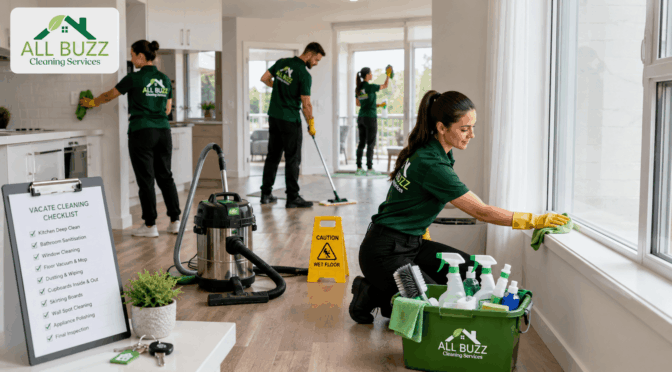
A professional vacate clean generally includes:

  • Kitchen deep cleaning
  • Oven and rangehood cleaning
  • Bathroom sanitisation
  • Window cleaning (where accessible)
  • Skirting boards and doors
  • Light switches
  • Ceiling fans
  • Built-in wardrobes
  • Floors
  • Cobweb removal
  • Spot cleaning walls where appropriate

The level of detail is significantly higher than routine household cleaning because property managers inspect every room carefully.

Why So Many People Get Confused

One of the biggest reasons tenants become confused is that the cleaning industry uses different names depending on the company or region.

Common terms include:

  • Vacate Cleaning
  • End of Lease Cleaning
  • Bond Cleaning
  • Exit Cleaning
  • Move Out Cleaning

In Perth, these terms often describe very similar services.

However, understanding vacate cleaning vs End of Lease Cleaning helps clarify when each term is used and why expectations remain largely the same.

Bond Cleaning Explained

What Is Bond Cleaning?

Bond Cleaning refers to cleaning specifically intended to help tenants recover their rental bond.

The name comes directly from the rental bond paid at the beginning of the tenancy.

Property managers compare the property’s condition with:

  • Entry condition reports
  • Photographs
  • Inspection notes
  • Lease agreements

The cleaner the property, the higher the likelihood of receiving the bond back in full.

Bond cleaning therefore focuses heavily on inspection standards rather than everyday cleanliness.

End of Lease Cleaning Explained

What Is End of Lease Cleaning?

End of Lease Cleaning is performed immediately before handing the keys back to the landlord or property manager.

The purpose is identical:

  • Meet lease requirements
  • Prepare for final inspection
  • Minimise cleaning disputes
  • Support full bond return

The phrase is especially common among real estate agencies because it directly relates to the end of a tenancy agreement.

Vacate Cleaning vs End of Lease Cleaning

The question of vacate cleaning vs End of Lease Cleaning comes up frequently among Perth renters.

The practical answer is that there is usually very little difference.

Vacate CleaningEnd of Lease Cleaning
Focuses on moving outFocuses on lease completion
Commonly used by cleaning companiesCommonly used by real estate agencies
Deep property cleanDeep property clean
Inspection-ready finishInspection-ready finish
Designed to support bond returnDesigned to support bond return

In most situations, both services involve the same extensive cleaning checklist.

The terminology changes more than the actual work.

Professional Cleaning Standards Matter

One important reason professional cleaners achieve better inspection outcomes is their understanding of Professional Cleaning Standards.

These standards go well beyond visible dirt.

Experienced cleaners pay attention to areas that tenants often overlook, including:

  • Window tracks
  • Exhaust fans
  • Air conditioning vents
  • Behind toilets
  • Shower screens
  • Oven racks
  • Cupboard interiors
  • Laundry sinks
  • Door frames
  • Power points
  • Light fittings

These are exactly the locations property managers inspect during final walkthroughs.

How Regular Cleaning Differs

Many tenants assume their fortnightly cleaner has already prepared the property for inspection.

Unfortunately, that’s rarely the case.

Regular Cleaning Service Perth

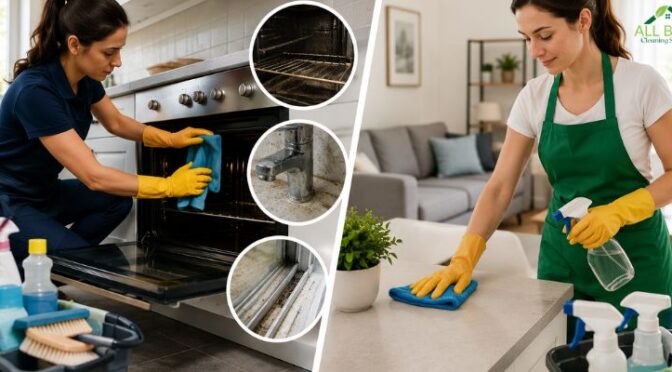
A Regular Cleaning Service Perth typically includes:

  • Vacuuming
  • Mopping
  • Dusting
  • Bathroom cleaning
  • Kitchen wipe-down
  • Emptying bins

These visits maintain cleanliness but don’t involve intensive detailing.

Professional vacate cleaning requires substantially more time because every room is cleaned from top to bottom.

Why Move Out Cleaning Requires More Detail

Move Out Cleaning Checklist

A genuine Move Out Cleaning service often includes additional tasks such as:

Kitchen

  • Degreasing cupboards
  • Cleaning splashbacks
  • Deep oven cleaning
  • Cleaning inside drawers
  • Rangehood filter cleaning

Bathrooms

  • Soap scum removal
  • Tile grout cleaning
  • Mirror polishing
  • Shower screen restoration
  • Exhaust fan cleaning

Bedrooms

  • Built-in wardrobe cleaning
  • Skirting boards
  • Window tracks
  • Light switches

Living Areas

  • Ceiling fan dust removal
  • Door frames
  • Window sills
  • Cobweb removal

Laundry

  • Sink cleaning
  • Cabinet cleaning
  • Floor detailing

These details make a noticeable difference during inspections.

Understanding Tenant Responsibilities

One frequently misunderstood aspect of rental agreements involves Tenant Responsibilities.

Cleaning obligations generally include leaving the property in a reasonably clean condition, although the exact requirements vary according to the lease agreement and the property’s condition at the start of the tenancy.

Tenants should always:

  • Read the lease agreement
  • Review the entry condition report
  • Compare current property condition
  • Repair minor damage where required
  • Remove all rubbish
  • Empty cupboards
  • Arrange professional carpet cleaning if specified

Cleaning alone cannot compensate for property damage, but thorough cleaning can prevent avoidable bond deductions.

A Real-Life Example

Imagine two tenants moving from similar apartments in Perth.

Tenant A

Relies on standard weekly cleaning.

The apartment looks tidy but still has:

  • Oven grease
  • Dust on ceiling fans
  • Soap scum
  • Dirty window tracks
  • Marks on doors

The property manager records several cleaning issues.

A portion of the bond is withheld.

Tenant B

Books professional Vacate Cleaning Perth.

Every room receives detailed attention.

The inspection identifies minimal issues.

The bond is returned without unnecessary delays.

The difference isn’t simply cleanliness—it’s inspection readiness.

Common Misconceptions About Vacate Cleaning

“The Property Only Needs to Look Clean”

Looking clean and meeting inspection standards are different.

Many overlooked areas become immediate inspection points.

“My Landlord Won’t Notice Small Details”

Experienced property managers inspect properties every day.

Small issues like dusty skirting boards or greasy ovens are commonly documented.

“Regular Cleaning Is Enough”

Routine cleaning maintains hygiene.

Vacate cleaning restores the property to a much higher standard.

“Every Cleaner Offers the Same Service”

Cleaning checklists vary considerably.

Always confirm exactly what’s included before booking.

Practical Tips Before Booking a Vacate Cleaner

Book Early

End-of-month periods are particularly busy in Perth.

Booking early provides better scheduling flexibility.

Read Your Entry Condition Report

This document provides valuable guidance on what inspectors will compare.

Remove Personal Belongings

Professional cleaners achieve better results when the property is completely empty.

Complete Repairs First

Cleaning should always happen after:

  • Painting
  • Maintenance
  • Pest treatments
  • Furniture removal

Otherwise surfaces may become dirty again.

Confirm Additional Services

Some properties may also require:

  • Carpet steam cleaning
  • Window cleaning
  • Pressure washing
  • Garage cleaning

Clarifying requirements avoids surprises later.

Expert Advice From Industry Experience

Having worked with hundreds of rental properties over the years, one consistent observation stands out:

The biggest cleaning failures aren’t usually due to major dirt—they happen because of overlooked details.

Property managers commonly inspect:

  • Oven interiors
  • Window tracks
  • Exhaust fans
  • Behind bathroom doors
  • Laundry cupboards
  • Skirting boards
  • Shower rails
  • Light fittings

These areas may seem insignificant during daily living but become important during a final inspection.

Professional cleaners develop systematic room-by-room processes specifically to avoid missing these hidden spots.

Choosing the Right Cleaning Approach

When comparing cleaning options, ask yourself:

  • Is this my final rental inspection?
  • Does my lease specify professional cleaning?
  • Am I hoping to maximise my bond return?
  • Do I have enough time for a full-day deep clean?
  • Do I have the equipment needed for oven and bathroom restoration?

If the answer to several of these questions is “yes,” professional vacate cleaning often becomes the more practical option.

Signs You Need More Than Regular Cleaning

You should consider professional Vacate Cleaning Perth if:

  • You’ve lived in the property for several years.
  • Pets have lived inside.
  • The oven hasn’t been professionally cleaned.
  • Bathrooms have heavy soap scum.
  • Carpets require deep cleaning.
  • Your inspection date is approaching quickly.
  • Your property manager has provided a detailed cleaning checklist.

These situations usually require far more than routine household cleaning.

The Value of Professional Cleaning Standards

Meeting Professional Cleaning Standards isn’t about making a property look perfect.

It’s about meeting realistic expectations for rental inspections.

Professional cleaners understand:

  • Inspection checklists
  • Common landlord expectations
  • Efficient cleaning techniques
  • Appropriate cleaning products
  • Surface-safe methods

Their experience often prevents the small oversights that lead to unnecessary disputes.

Conclusion

Understanding the difference between vacate cleaning vs End of Lease Cleaning removes much of the confusion surrounding rental move-outs.

In practice, both terms generally refer to the same detailed cleaning process designed to prepare a property for its final inspection. Whether it’s called Bond Cleaning, End of Lease Cleaning, or Move Out Cleaning, the goal remains consistent: leaving the property in excellent condition while meeting inspection expectations.

For tenants seeking reliable Vacate Cleaning Perth, understanding inspection standards, recognising your Tenant Responsibilities, and appreciating the difference between routine cleaning and professional deep cleaning can make the moving process far less stressful.

Planning ahead, following a detailed checklist, and ensuring the property receives the attention it deserves can significantly improve your chances of a smooth inspection and a full bond return.

Frequently Asked Questions

1. Is vacate cleaning the same as end of lease cleaning?

In most cases, yes. The terms are commonly used interchangeably throughout Perth. Both services involve a comprehensive deep clean designed to prepare a rental property for the final inspection. While different companies may use different terminology, the cleaning scope is generally very similar.

2. How is vacate cleaning different from a regular cleaning service?

A Regular Cleaning Service Perth focuses on maintaining everyday cleanliness through routine tasks such as vacuuming, dusting, mopping, and basic bathroom cleaning. Vacate cleaning is much more detailed and includes deep cleaning of ovens, cupboards, skirting boards, window tracks, light fittings, and many other areas inspected by property managers.

3. What areas are most commonly missed during end of lease cleaning?

Some of the most frequently overlooked areas include oven interiors, exhaust fans, window tracks, door frames, light switches, skirting boards, ceiling fans, shower screens, built-in wardrobes, and laundry cupboards. These locations often become key inspection points during the final property assessment.

4. Can I do my own vacate cleaning instead of hiring professionals?

Yes, many tenants successfully complete their own vacate cleaning. However, it requires significant time, specialised cleaning products, and attention to detail. If you’re confident you can meet inspection standards and have sufficient time before your inspection, self-cleaning may be suitable. Otherwise, professional services can reduce stress and help avoid common oversights.

5. When should I schedule my vacate cleaning?

The ideal time is after all furniture has been removed and any repairs or painting have been completed. Cleaning an empty property allows every surface to be accessed properly and prevents newly cleaned areas from becoming dirty again before the final inspection. Booking several weeks in advance is also recommended, particularly during busy moving periods in Perth.


How to Get Your Full Bond Back with Vacate Cleaning in Perth

Moving out of a rental property in Perth can feel overwhelming. Between packing, coordinating movers, updating your address, and handling paperwork, cleaning is often left until the last minute. Yet, it’s one of the most critical steps—because your bond refund depends on it.

If you’ve ever lost part of your deposit over cleaning disputes, you already know how strict property managers can be. This guide breaks down exactly how Vacate Cleaning Perth works, what landlords actually expect, and how to avoid costly mistakes—while also explaining the often-misunderstood difference in vacate cleaning vs regular cleaning.

Understanding the Stakes: Why Vacate Cleaning Matters

In Western Australia, tenants are required to return a property in the same condition it was at the start of the lease (excluding fair wear and tear). This is clearly outlined in most tenancy agreements.

However, in real-world scenarios, “same condition” often means spotless and inspection-ready.

Property managers typically follow a detailed checklist during final inspections. Even minor issues—like grease in the oven or dust in air vents—can lead to deductions.

Real-life scenario:

A tenant in Perth’s northern suburbs lost $450 from their bond because:

  • The oven had residual grease
  • Window tracks had visible dust
  • Bathroom grout showed light mold

From their perspective, the property looked “clean enough.” From the agent’s perspective, it didn’t meet professional cleaning standards.

That’s the gap this blog will help you close.

Vacate Cleaning vs Regular Cleaning: What’s the Difference?

Let’s address the core confusion most tenants have.

Vacate cleaning vs regular cleaning explained:

AspectRegular Cleaning Service PerthVacate Cleaning Perth
FrequencyWeekly/fortnightlyOne-time deep clean
PurposeMaintenanceBond recovery
Detail LevelSurface-levelIntensive, checklist-based
Areas CoveredVisible areasHidden + neglected areas
StandardsPersonal preferenceProperty manager expectations

A Regular Cleaning Service Perth keeps your home tidy, but it doesn’t meet end-of-lease inspection standards.

Vacate cleaning is:

  • More detailed
  • More time-consuming
  • More structured
  • Aligned with rental inspection criteria

Understanding this difference is critical. Many tenants try to rely on regular cleaning routines and end up failing inspection.

Vacate Cleaning: What’s Actually Included?

Vacate Cleaning Checklist (What Agents Expect)

A proper vacate clean goes far beyond surface wiping.

Kitchen

  • Deep clean oven, stovetop, and rangehood
  • Degrease splashbacks and cabinets
  • Clean inside cupboards and drawers
  • Sanitize sink and polish taps

Bathrooms

  • Remove soap scum and limescale
  • Scrub grout and tiles
  • Clean mirrors and glass surfaces
  • Disinfect toilet, shower, and bathtub

Living Areas & Bedrooms

  • Vacuum carpets thoroughly
  • Remove marks from walls
  • Clean skirting boards
  • Dust light fittings and fans

Windows

  • Clean interior glass
  • Wipe window tracks and frames

Hidden Areas (often missed)

  • Behind appliances
  • Inside wardrobes
  • Air vents and exhaust fans

These details define whether you pass or fail inspection.

Bond Cleaning: Why It’s So Strict

Bond Cleaning and Tenant Responsibilities

Bond Cleaning (another term for vacate cleaning) is directly tied to your financial return.

Tenant responsibilities include:

  • Returning the property clean and damage-free
  • Addressing stains, marks, and Odors
  • Ensuring appliances are cleaned internally

Many disputes arise because tenants underestimate expectations.

Practical insight:

Property managers often compare:

  • Entry condition report (photos included)
  • Exit condition report

Even small discrepancies can lead to deductions.

End of Lease Cleaning: Timing is Everything

End of Lease Cleaning Strategy

Timing your End of Lease Cleaning correctly can make a big difference.

Best practice:

  • Clean after furniture is removed
  • Schedule cleaning 24–48 hours before inspection
  • Allow time for re-cleaning if needed

Common mistake:

Cleaning before moving out.

This leads to:

  • New dust accumulation
  • Footprints and marks
  • Missed areas behind furniture

Professional Cleaning Standards: What “Clean” Really Means

Professional Cleaning Standards in Perth Rentals

Professional cleaners follow structured systems—not guesswork.

Key standards include:

  • No visible dust or debris
  • No grease or stains
  • Neutral smell (no strong Odors)
  • Fully sanitized wet areas

Real-world tip:

Run your hand along surfaces. If you feel dust or residue, it’s not inspection-ready.

Practical Tips to Get Your Full Bond Back

Proven Strategies That Actually Work

1. Follow the Entry Condition Report

Use your original inspection report as a checklist. Match the condition as closely as possible.

2. Focus on High-Risk Areas

These are the most common deduction zones:

  • Oven and kitchen grease
  • Bathroom mold and limescale
  • Carpets and stains

3. Don’t Ignore Small Details

Things like:

  • Light switches
  • Door handles
  • Skirting boards

These are often inspected closely.

4. Use Proper Cleaning Products

Generic cleaners don’t always remove:

  • Grease buildup
  • Hard water stains
  • Mold

Invest in targeted products.

5. Inspect Like a Property Manager

Walk through the property slowly and critically.

Ask yourself:

  • Would this pass a strict inspection?
  • Is anything visibly dirty under bright light?

Common Mistakes That Cost You Your Bond

What Most Tenants Get Wrong

1. Assuming “Good Enough” Is Enough

It’s not. Inspection standards are much higher.

2. Skipping the Oven

This is one of the top reasons for deductions.

3. Ignoring Walls and Marks

Scuffs and fingerprints are easy to miss but highly visible.

4. Forgetting Outdoor Areas

Balconies, patios, and garages are included in inspections.

5. Rushing the Cleaning

A rushed job almost always leads to re-cleaning—or deductions.

Expert Advice: When to Hire Professionals

Should You DIY or Hire Experts?

As someone experienced in the cleaning industry, here’s the honest answer:

DIY works if:

  • The property is small
  • You’ve maintained it well
  • You have time (6–10+ hours)

Hire professionals if:

  • The property hasn’t been deep cleaned in months
  • There are stains, grease, or Mold issues
  • You want a higher chance of full bond return

Pro insight:

Professional cleaners understand vacate cleaning vs regular cleaning at a technical level. They follow checklists aligned with property managers—not just general cleanliness.

Real-World Case Study

A tenant in Perth CBD hired a standard Regular Cleaning Service Perth before vacating.

Result:

  • Failed inspection
  • Required re-clean
  • Lost time and money

Another tenant hired a vacate cleaning specialist:

  • Passed inspection first time
  • Received full bond refund

The difference? Depth, detail, and standards.

Final Inspection Checklist (Use This Before Handover)

Before handing over keys, double-check:

  • Oven spotless (inside and out)
  • No dust on skirting boards
  • Bathrooms fully sanitized
  • Windows and tracks clean
  • No visible stains or marks
  • Floors vacuumed and mopped

If everything passes this checklist, you’re in a strong position.

Conclusion: Clean Smart, Not Just Hard

Getting your full bond back isn’t about Vacate Cleaning Perth harder—it’s about cleaning smarter.

Understanding the difference in vacate cleaning vs regular cleaning is the key. Once you align your cleaning approach with inspection standards, your chances of a full bond refund increase significantly.

Take the time to follow a structured checklist, focus on detail, and approach the process like a professional. Whether you DIY or hire experts, the goal is the same: leave the property inspection-ready, not just tidy.

FAQs:

1. How long does vacate cleaning take in Perth?

It depends on the property size and condition. A standard 2–3 bedroom home can take 6–10 hours for a thorough clean. Larger or neglected properties may take longer, especially if deep cleaning of carpets or heavy grease removal is required.

2. Is carpet cleaning mandatory for bond return?

Not always, but it’s often expected—especially if carpets were professionally cleaned before your tenancy. Check your lease agreement. Stains or Odors almost always require professional carpet cleaning.

3. Can I use a Regular Cleaning Service Perth for end of lease cleaning?

You can, but it’s not recommended. Regular cleaning services focus on maintenance, not inspection standards. This is where understanding vacate cleaning vs regular cleaning becomes critical—using the wrong service can lead to failed inspections.

4. What happens if I fail the final inspection?

You’ll usually be given a chance to fix the issues. However, if you don’t address them quickly, the landlord may hire cleaners and deduct the cost from your bond—often at higher rates.

5. Do I need to clean even if the property looks tidy? Yes. “Tidy” is not the same as inspection-ready. Even clean-looking properties can fail due to hidden dirt, grease, or dust. Always clean to professional standards, not visual assumptions.

Signs You Need a Regular Cleaning Service Perth

Maintaining a clean and organised home sounds simple—until life gets busy. Between work, family responsibilities, and social commitments, cleaning often slips to the bottom of the priority list. If you’ve been constantly catching up on chores or feeling overwhelmed by mess, it may be time to consider a Regular Cleaning Service Perth.

This guide dives deep into the real, practical signs that indicate you need help—and how investing in regular house cleaning Perth can transform not just your home, but your lifestyle.


Understanding the Need for Regular Cleaning

Before diving into the signs, it’s important to understand what regular cleaning actually means. Unlike occasional deep cleans, regular cleaning focuses on maintaining cleanliness consistently—weekly, fortnightly, or on a custom schedule.

In a city like Perth, where busy households are the norm, Domestic Cleaning Perth services are designed to support everyday living rather than just fix problems when they arise.

A well-maintained home:

  • Reduces stress and mental clutter
  • Improves indoor air quality
  • Creates a healthier environment for families
  • Saves time in the long run

Yet many homeowners delay hiring help until things feel unmanageable.


H2: Professional Housekeeping – When Cleaning Becomes Overwhelming

One of the clearest signs you need Professional Housekeeping is when cleaning feels like a constant burden rather than a manageable routine.

You might notice:

  • Laundry piling up faster than you can handle
  • Dust returning within days of cleaning
  • Bathrooms and kitchens never staying clean for long
  • Weekends being consumed entirely by chores

Real-life scenario:

A working couple with two children often finds themselves spending 6–8 hours every weekend cleaning. Despite their efforts, the house never feels fully clean. This is a classic case where Scheduled Home Cleaning Services can reclaim their time and restore balance.


H2: Family Home Maintenance – Signs Your Home Is Slipping Behind

Consistent Family Home Maintenance is essential—not just for appearance, but for hygiene and long-term property care.

Key warning signs:

  • Sticky kitchen surfaces or grease buildup
  • Persistent bathroom mould or soap scum
  • Dust accumulation on furniture and electronics
  • Floors losing their shine despite regular mopping

These aren’t just cosmetic issues—they can lead to:

  • Allergies and respiratory problems
  • Damage to surfaces and fixtures
  • Increased cleaning difficulty over time

Insight from experience:

Homes that skip regular maintenance often require intensive deep cleaning later, which costs more and takes longer than maintaining cleanliness from the start.


H2: Scheduled Home Cleaning Services – Your Time Is Always Limited

If you constantly say, “I’ll clean later,” but later never comes, it’s a strong indicator that your schedule doesn’t support consistent cleaning.

Common situations:

  • Long work hours or shift-based jobs
  • Parenting young children
  • Managing multiple responsibilities or side businesses
  • Frequent travel

Practical reality:

Cleaning isn’t just about effort—it’s about consistency. Without a structured system like Weekly Cleaning Service Perth, even the most motivated homeowners struggle to keep up.


H2: You’re Always Doing “Emergency Cleaning”

Do you only clean when:

  • Guests are about to arrive?
  • You can’t tolerate the mess anymore?
  • Something spills or breaks?

This reactive approach creates stress and inconsistency.

Why it’s a problem:

  • Cleaning becomes rushed and ineffective
  • Important areas are often overlooked
  • The home never reaches a truly clean baseline

Switching to Regular House Cleaning Perth eliminates this cycle by maintaining cleanliness proactively.


H2: You Notice Health or Allergy Issues Increasing

A less obvious but critical sign is declining indoor air quality.

Watch for:

  • Frequent sneezing or coughing indoors
  • Dust accumulation on vents and surfaces
  • Pet hair lingering despite cleaning
  • Musty odours

Expert insight:

Regular cleaning reduces allergens like dust mites, mould spores, and pet dander—something that occasional cleaning simply can’t manage effectively.


H2: You Feel Mentally Drained by Household Clutter

Your environment directly impacts your mental state.

Signs include:

  • Feeling stressed when entering your home
  • Avoiding certain rooms due to mess
  • Difficulty focusing or relaxing

Real-world observation:

Clients often report feeling immediate relief after starting a Domestic Cleaning Perth routine—not because the house is perfect, but because it’s consistently under control.


Practical Tips: How to Decide If You Need a Regular Cleaning Service

If you’re unsure, ask yourself these questions:

  • Do I spend more than 4–5 hours weekly cleaning?
  • Do I feel stressed about household chores?
  • Is my cleaning routine inconsistent?
  • Do I avoid cleaning certain areas?
  • Would I rather spend time on other priorities?

If you answered “yes” to two or more, it’s time to consider Regular Cleaning Service Perth.


Common Mistakes Homeowners Make

Even with the best intentions, many people fall into these traps:

1. Waiting Too Long

Delaying professional cleaning often leads to bigger problems and higher costs later.

2. Overestimating Available Time

Most people assume they’ll “find time” to clean—but rarely do.

3. Inconsistent Cleaning Routines

Cleaning sporadically leads to buildup and inefficiency.

4. Ignoring High-Traffic Areas

Kitchens, bathrooms, and living rooms need frequent attention—not occasional cleaning.


Expert Advice: Making the Most of Regular Cleaning

From industry experience, here’s what works best:

Start with a Realistic Schedule

Weekly or fortnightly cleaning is ideal for most households.

Focus on Maintenance, Not Perfection

The goal is consistency—not spotless perfection every day.

Customise Your Cleaning Plan

Every home is different. Prioritise areas that impact your daily life most.

Combine Professional and Personal Effort

Use professional cleaning for structure, and maintain small daily habits in between.


Why Regular Cleaning Is an Investment, Not an Expense

Many homeowners hesitate due to cost—but consider what you gain:

  • Time saved every week
  • Reduced stress and mental load
  • Improved health and hygiene
  • Longer-lasting home surfaces and furniture

In reality, Weekly Cleaning Service Perth often pays for itself in productivity and well-being.


Conclusion: Take Control of Your Home Environment

If your home feels overwhelming, inconsistent, or stressful, it’s not a personal failure—it’s a signal that your current system isn’t working.

A Regular Cleaning Service Perth provides structure, consistency, and peace of mind. By recognising the signs early, you can shift from reactive cleaning to proactive home care.

Ultimately, investing in regular house cleaning Perth isn’t just about cleanliness—it’s about creating a home that supports your lifestyle, not complicates it.


FAQs – Regular Cleaning Service Perth

1. How often should I schedule regular house cleaning?

The ideal frequency depends on your household size and lifestyle. For most families, weekly or fortnightly cleaning works best. Homes with pets or children may benefit from weekly services to maintain hygiene.

2. What’s included in a regular cleaning service?

Typically, services include dusting, vacuuming, mopping, kitchen cleaning, bathroom sanitisation, and general tidying. Some providers allow customisation based on your priorities.

3. Is regular cleaning better than occasional deep cleaning?

Yes. Regular cleaning maintains cleanliness consistently, preventing buildup. Deep cleaning is still useful but works best as a supplement rather than a replacement.

4. How do I know if my home needs professional cleaning?

If you feel overwhelmed, lack time, or notice declining cleanliness despite effort, it’s a strong indicator. Consistency is the key factor most households struggle with.

5. Can I combine professional cleaning with my own routine?

Absolutely. The most effective approach is using professional cleaning for structure while maintaining small daily habits like wiping surfaces and decluttering.

Vacate Cleaning vs Regular House Cleaning: What’s the Difference?

When moving out of a rental property, many tenants assume that a standard house clean is enough to leave the property in good condition. However, once inspection time arrives, they often discover that regular cleaning and vacate cleaning are two very different services. Understanding the distinction can save you time, money, and potential disputes with property managers.

For tenants preparing to move, homeowners maintaining their properties, and landlords expecting a property to be returned in excellent condition, knowing the difference between Vacate Cleaning Perth services and routine cleaning is essential.

In this guide, we’ll break down the key differences between these cleaning approaches, explain when each is needed, and share practical insights from industry experience to help you make informed decisions.

Understanding the Purpose of House Cleaning

Before comparing services, it’s important to understand why these two cleaning types exist.

Regular house cleaning is designed to maintain a home’s cleanliness and hygiene over time. It focuses on keeping living spaces tidy, comfortable, and healthy for everyday use.

Vacate cleaning, on the other hand, is intended to restore a property to a condition that meets landlord and property manager expectations at the end of a tenancy. It is often far more detailed and intensive than routine cleaning.

This distinction forms the foundation of the entire vacate cleaning vs regular cleaning discussion.

What Is Regular House Cleaning?

A Regular Cleaning Service Perth residents use typically focuses on maintaining cleanliness rather than deep restoration.

These services commonly include:

  • Dusting furniture and surfaces
  • Vacuuming carpets and rugs
  • Sweeping and mopping floors
  • Cleaning bathrooms
  • Wiping kitchen surfaces
  • Emptying bins
  • General tidying

The goal is to keep a home presentable and hygienic on a weekly, fortnightly, or monthly basis.

Typical Scenario

Imagine a busy family with children and pets. Regular cleaning helps manage everyday dirt, dust, fingerprints, and spills. The home remains comfortable and healthy without requiring intensive cleaning sessions.

In most cases, regular cleaning addresses visible dirt rather than hidden grime that accumulates over months or years.

What Is Vacate Cleaning?

Vacate Cleaning Perth services are designed specifically for tenants moving out of a rental property.

This cleaning process aims to meet strict inspection standards established by landlords, real estate agents, and property managers.

Unlike routine cleaning, vacate cleaning focuses on restoring every accessible area of the property.

Tasks often include:

  • Deep cleaning kitchens and appliances
  • Scrubbing ovens and rangehoods
  • Cleaning inside cupboards and drawers
  • Removing wall marks
  • Deep cleaning bathrooms
  • Detailed floor cleaning
  • Window cleaning
  • Skirting board cleaning
  • Light fixture cleaning
  • Cobweb removal
  • Spot cleaning walls and doors

The objective is not simply cleanliness but achieving inspection-ready condition.

Vacate Cleaning vs Regular Cleaning: Key Differences

Understanding vacate cleaning vs regular cleaning becomes easier when comparing them side by side.

FeatureRegular CleaningVacate Cleaning
PurposeOngoing maintenanceEnd-of-lease compliance
FrequencyWeekly, fortnightly, monthlyOne-time service
Cleaning DepthSurface-level maintenanceDeep, comprehensive cleaning
Appliance CleaningExterior surfacesInterior and exterior cleaning
Window CleaningUsually optionalOften included
Inspection StandardsNot requiredMust meet property manager expectations
Time Required2–4 hours6–12+ hours depending on property size
Attention to DetailModerateExtremely detailed

The biggest difference lies in the level of detail and accountability required.

Why Property Managers Have Higher Expectations

Many tenants underestimate how thorough final inspections can be.

Property managers typically compare the property’s condition against the original entry report. Even areas that may not be noticeable during daily living can become significant during an inspection.

Common inspection focus points include:

  • Oven interiors
  • Shower screens
  • Window tracks
  • Exhaust fans
  • Skirting boards
  • Light fittings
  • Air vents
  • Cabinet interiors

A property that appears clean at first glance may still fail inspection if these areas are neglected.

This is one reason why professional Vacate Cleaning Perth services are often recommended before handover.

Professional Cleaning Standards: What Makes Vacate Cleaning Different?

Detailed Cleaning Checklists

One hallmark of Professional Cleaning Standards is the use of comprehensive cleaning checklists.

Experienced cleaners systematically address every room and fixture rather than focusing only on visible surfaces.

A professional vacate clean typically follows a structured process covering:

  • Bedrooms
  • Living areas
  • Kitchens
  • Bathrooms
  • Laundry rooms
  • Hallways
  • Outdoor areas where applicable

This approach minimizes the risk of missed areas.

Focus on Hidden Dirt

Regular cleaning often targets visible messes.

Vacate cleaning addresses:

  • Grease buildup behind appliances
  • Soap scum accumulation
  • Dust inside vents
  • Dirt in window tracks
  • Grime around door frames

These hidden areas are frequently highlighted during inspections.

Tenant Responsibilities at the End of a Lease

Understanding Tenant Responsibilities is crucial before vacating a rental property.

Most tenancy agreements require tenants to leave the property in reasonably clean condition, often matching the state recorded at move-in.

Common tenant obligations include:

  • Removing personal belongings
  • Cleaning floors
  • Sanitizing bathrooms
  • Cleaning kitchen appliances
  • Removing rubbish
  • Addressing excessive dirt accumulation

Failing to meet these expectations may affect bond return outcomes.

While regulations can vary, cleanliness remains one of the most common reasons for bond disputes.

The Cost Difference Between Cleaning Services

One question homeowners and tenants frequently ask is why vacate cleaning costs more than routine cleaning.

The answer lies in labor intensity.

A standard house clean may focus on maintaining an already-clean property.

Vacate cleaning often involves:

  • Intensive scrubbing
  • Stain removal
  • Appliance detailing
  • Extended cleaning hours
  • Multiple team members

For example, cleaning a kitchen during regular maintenance may take 30 minutes.

During a vacate clean, the same kitchen could require several hours due to oven cleaning, cupboard detailing, splashback degreasing, and appliance restoration.

Common Mistakes People Make

Assuming a Regular Clean Is Enough

One of the most frequent misconceptions in the vacate cleaning vs regular cleaning debate is believing that a weekly clean automatically prepares a property for final inspection.

Even well-maintained homes often require additional deep cleaning before handover.

Forgetting High-Touch Areas

People commonly overlook:

  • Light switches
  • Door handles
  • Power points
  • Ceiling fans
  • Air vents

These areas are often checked during inspections.

Ignoring Kitchen Appliances

Ovens, rangehood filters, and stovetops typically require extensive cleaning.

Grease buildup is one of the most common inspection issues identified by property managers.

Leaving Cleaning Until the Last Minute

Moving is stressful enough without adding a rushed deep-cleaning session.

Planning ahead allows sufficient time to address overlooked areas.

Fast Service Cleaning Solutions for Tight Deadlines

Fast Service When Moving Dates Change

Unexpected circumstances can arise during a move.

Settlement delays, tenancy overlap issues, and last-minute schedule changes often create pressure.

A professional cleaning team can provide fast service solutions that help tenants meet inspection deadlines without sacrificing cleaning quality.

The key is booking early whenever possible and maintaining flexibility in scheduling.

24/7 Help During Moving Emergencies

24/7 Help for Unexpected Situations

Although cleaning companies typically operate during business hours, some providers offer extended support during peak moving periods.

Situations that may require 24/7 help include:

  • Last-minute inspections
  • Emergency re-cleans
  • Unexpected property handovers
  • Urgent landlord requests

Having access to responsive cleaning support can significantly reduce moving stress.

Urgent Repairs vs Cleaning Issues: Knowing the Difference

Urgent Repairs and Cleaning Responsibilities

A common source of confusion for tenants involves distinguishing between cleaning issues and property maintenance concerns.

For example:

  • Dirty grout is a cleaning issue.
  • A leaking pipe requires repairs.
  • Grease buildup is cleaning-related.
  • Broken fixtures require maintenance.

Just as you would contact an emergency electrician for electrical faults, maintenance problems should be reported separately from cleaning concerns.

Understanding this distinction helps tenants focus on the cleaning tasks they are responsible for before vacating.

Real-World Example: Why Detail Matters

A tenant recently maintained their rental property exceptionally well throughout a three-year lease.

Weekly cleaning was completed consistently, and the home looked spotless.

However, during the final inspection, the property manager identified:

  • Dust inside exhaust fans
  • Grease in the oven
  • Dirt in window tracks
  • Marks on skirting boards

These issues resulted in a re-clean request.

The lesson was simple: a regularly cleaned home can still require substantial vacate cleaning before meeting inspection expectations.

Expert Tips for a Successful Vacate Clean

Start Earlier Than You Think

Allow several days before inspection if cleaning yourself.

This creates time to revisit missed areas.

Use the Entry Condition Report

Compare the current condition with the report completed at move-in.

This provides valuable guidance on expected standards.

Focus on High-Risk Areas

Pay extra attention to:

  • Ovens
  • Bathrooms
  • Window tracks
  • Skirting boards
  • Walls

These are frequently scrutinized during inspections.

Declutter First

Cleaning becomes far easier when furniture and personal belongings have been removed.

Follow Professional Cleaning Standards

Using a room-by-room checklist significantly reduces the likelihood of overlooked areas.

When Should You Choose Regular Cleaning?

A Regular Cleaning Service Perth homeowners rely on is ideal when:

  • Maintaining a family home
  • Reducing weekly cleaning workload
  • Keeping living spaces hygienic
  • Managing busy schedules
  • Supporting elderly family members

Routine cleaning prevents dirt accumulation and creates a healthier environment year-round.

When Should You Choose Vacate Cleaning?

Choose Vacate Cleaning Perth services when:

  • Ending a tenancy
  • Preparing for a final inspection
  • Selling a property
  • Handing over a property to new occupants
  • Seeking maximum bond return confidence

The detailed nature of vacate cleaning makes it suitable whenever inspection-level cleanliness is required.

Conclusion

Understanding vacate cleaning vs regular cleaning is essential for anyone renting, moving, or maintaining a property.

While regular house cleaning focuses on ongoing maintenance and comfort, Vacate Cleaning Perth services are designed to meet detailed inspection requirements and restore a property to a high standard. Both services have their place, but they serve very different purposes.

For tenants, recognizing this difference can help avoid unnecessary stress, inspection issues, and potential bond disputes. Following proper Professional Cleaning Standards and understanding Tenant Responsibilities ensures a smoother moving experience and a cleaner handover process.

At All Buzz Cleaning, the focus is on delivering practical, thorough cleaning solutions that help homes remain clean, healthy, and ready for whatever comes next.

Frequently Asked Questions

1. Can regular house cleaning replace vacate cleaning?

Usually not. Regular cleaning maintains cleanliness but often does not include the detailed tasks required for end-of-lease inspections. Vacate cleaning focuses on deep cleaning areas that property managers commonly inspect.

2. How long does a vacate clean typically take?

The duration depends on the property’s size, condition, and specific requirements. A small apartment may take several hours, while larger homes can require a full day or more to complete properly.

3. Why is oven cleaning important during a vacate clean?

Ovens are among the most frequently inspected areas during final property inspections. Grease, burnt residue, and food buildup can easily result in cleaning requests if not addressed thoroughly.

4. How often should I schedule a regular cleaning service?

Many households benefit from weekly or fortnightly cleaning. The ideal schedule depends on occupancy, lifestyle, pets, children, and personal cleanliness preferences.

5. What are the most commonly missed areas during vacate cleaning?

The most frequently overlooked areas include window tracks, skirting boards, ceiling fans, exhaust vents, light fixtures, cupboard interiors, and appliance interiors. These areas often determine whether a property passes inspection without issues.