

July 30, 2026
5 Reasons Your Windows Still Look Dirty After Cleaning
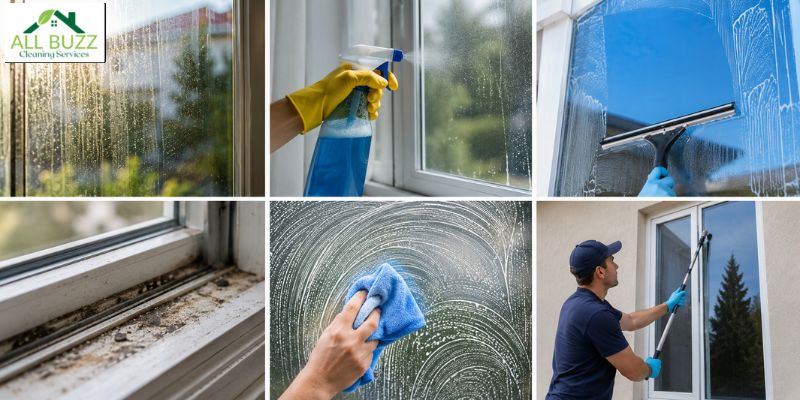
Clean windows can completely transform the appearance of a home or workplace, allowing more natural light inside while improving curb appeal. Yet many homeowners experience the same frustration—they spend time washing their windows only to find streaks, cloudy patches, or dirt reappearing almost immediately. If you’ve encountered this problem, you’re not alone. Many of the causes are less obvious than people realise, and understanding them can help you achieve longer-lasting results. Whether you regularly book window cleaning in perth services or prefer tackling the job yourself, knowing what causes poor results makes a noticeable difference.
As with maintaining any part of a property, expert knowledge matters. In the same way homeowners search for information on topics like emergency electrician moonee ponds before dealing with electrical issues, understanding the science behind clean windows helps you make informed maintenance decisions instead of relying on trial and error.
Understanding Why Window Cleaning Isn’t Always Enough
Many people assume dirty-looking windows simply need more scrubbing. In reality, glass surfaces are affected by environmental conditions, cleaning methods, water quality, and even the products used.
Perth’s climate creates unique challenges. Coastal salt, fine dust, pollen, hard water, construction debris, and seasonal rain all leave residues that ordinary household cleaners often fail to remove completely.
Even when windows appear clean immediately after washing, invisible mineral deposits or detergent residue can quickly attract more dirt, making glass appear dull again within days.
Window Cleaning Mistake #1 – Using the Wrong Cleaning Products
One of the biggest reasons windows continue looking dirty is using household products that leave behind invisible residue.
Many supermarket sprays contain soaps, fragrances, or waxes designed to improve shine. Unfortunately, these ingredients often leave a thin film across the glass. While initially invisible, that residue quickly attracts airborne dust and moisture.
Experienced window cleaners perth understand that different types of contamination require different cleaning solutions.
Why residue matters
Instead of producing crystal-clear glass, residue creates:
- Streaks under sunlight
- Cloudy reflections
- Uneven drying
- Faster dirt build-up
- Reduced transparency
Professional-grade glass cleaners are specifically formulated to evaporate cleanly without leaving films behind
Window Cleaning Techniques Make a Bigger Difference Than You Think
Cleaning products alone rarely solve the problem.
Professional cleaners spend years refining techniques that minimise streaking while ensuring every section of glass receives consistent pressure.
Common DIY mistakes include:
- Cleaning during direct sunlight
- Using dirty cloths
- Circular wiping motions
- Reusing contaminated water
- Drying with paper towels
Each of these methods increases the likelihood of visible streaks.
When homeowners invest in professional window cleaning perth, much of the improvement comes from better techniques rather than stronger chemicals.
Experienced cleaners also understand how different glass coatings require slightly different treatment methods.
Hard Water Leaves Behind Hidden Mineral Deposits
Hard water is one of Perth’s most overlooked window-cleaning challenges.
Water naturally contains dissolved minerals such as calcium and magnesium. As droplets evaporate, these minerals remain bonded to the surface of the glass.
Over time they form stubborn white spotting that ordinary cleaning cannot remove.
Signs of hard water damage
- White cloudy marks
- Permanent spotting
- Rough-feeling glass
- Rainbow staining
- Reduced clarity after every wash
Many homeowners mistakenly believe they’re simply cleaning incorrectly when the real issue is mineral etching.
In severe cases specialised restoration techniques are needed to restore the original finish
Commercial Window Cleaning Perth Professionals Understand Environmental Build-Up
Properties collect far more than ordinary dust.
Buildings near busy roads accumulate vehicle exhaust particles.
Homes close to the coast collect airborne salt.
Construction areas produce microscopic cement dust.
Gardens release pollen, sap, and organic debris.
All these contaminants bond differently to glass.
Professionals performing commercial window cleaning in perth regularly deal with large buildings exposed to these environmental conditions every day. Their experience highlights an important lesson for homeowners—successful cleaning depends on identifying the contamination first before choosing the appropriate cleaning method.
Using a single universal cleaner rarely delivers consistently clear results.
Frames, Tracks, and Screens Can Make Clean Glass Look Dirty
Many homeowners focus exclusively on the glass while overlooking surrounding components.
Dirty window tracks release dust each time windows are opened.
Insect screens accumulate pollen and fine debris that becomes visible through clean glass.
Frames collect oxidation, mould, and grime that create the appearance of dirty windows even after the glass itself has been cleaned.
A complete window cleaning routine should include:
- Frames
- Tracks
- Screens
- Window sills
- Glass edges
Ignoring these areas often leads people to believe the glass itself still needs attention.
Common Mistakes Homeowners Make
Even with the best intentions, several habits reduce cleaning quality.
Cleaning in direct sunlight
Heat causes cleaning solutions to evaporate too quickly, leaving streaks before they’re properly removed.
Using too much detergent
More soap rarely produces cleaner windows.
Instead, excessive detergent leaves sticky residue that attracts additional dirt.
Skipping regular maintenance
Heavy contamination requires more aggressive cleaning.
Routine maintenance removes contaminants before permanent staining develops.
Using abrasive materials
Rough sponges and unsuitable scrapers can create microscopic scratches that permanently reduce clarity.
Expert Advice From Industry Experience
After thousands of successful cleaning jobs, experienced professionals often notice recurring patterns.
One common observation is that homeowners wait until windows become visibly dirty before cleaning them.
Unfortunately, by this stage contaminants have usually bonded tightly to the surface.
A better strategy involves preventative maintenance.
Regular cleaning prevents mineral deposits, airborne pollution, bird droppings, and organic matter from permanently affecting the glass.
Another useful tip involves inspecting windows during different times of day.
Glass that appears perfectly clean in shade may reveal streaks once direct sunlight reaches it.
Professionals often use changing light conditions during inspections to ensure every section has been thoroughly cleaned.
Why Weather Plays a Bigger Role Than Most People Realise
Perth experiences strong seasonal variations.
Dry summer winds carry fine dust.
Winter rain leaves mineral residue.
Coastal breezes deposit salt.
Spring introduces pollen.
Each season creates different cleaning challenges.
Understanding these environmental influences helps determine appropriate cleaning frequency rather than following a fixed schedule.
Properties surrounded by trees or located near busy roads generally require more frequent maintenance than homes in quieter suburban streets.
Choosing the Right Cleaning Schedule
There is no universal schedule suitable for every property.
Several factors influence cleaning frequency:
- Location
- Nearby traffic
- Coastal exposure
- Landscaping
- Construction activity
- Weather patterns
- Type of property
Homes may only require professional attention several times each year, while busy commercial properties often benefit from much more regular maintenance.
Rather than cleaning only when windows appear dirty, preventative scheduling usually produces better long-term results while protecting the glass from permanent staining.
Conclusion
If your windows never seem completely clean despite repeated washing, the issue often extends beyond the glass itself. Cleaning techniques, water quality, environmental contamination, residue, and neglected frames all contribute to disappointing results. Understanding these factors allows homeowners to achieve clearer, longer-lasting windows while avoiding unnecessary frustration.
Reliable maintenance also comes from working with experienced professionals who understand local conditions. All Buzz Cleaning combines practical knowledge with proven cleaning techniques that help homeowners and businesses maintain cleaner, brighter windows throughout the year. Whether maintaining a family home or larger premises, choosing the right approach protects both your windows and your investment.
Consistent care is always more effective than occasional deep cleaning. By following best practices and seeking expert guidance when needed, property owners can enjoy crystal-clear views in every season. All Buzz Cleaning continues to support Perth residents with practical, high-quality solutions based on experience rather than shortcuts, helping clients achieve better results that last. When lasting clarity matters, All Buzz Cleaning demonstrates why professional expertise makes a noticeable difference.
Frequently Asked Questions
1. Why do my windows look streaky even after I’ve cleaned them?
Streaks are usually caused by residue left behind from cleaning products, dirty cloths, hard water minerals, or cleaning windows in direct sunlight. The solution often involves using residue-free products, clean microfibre cloths, and washing windows during cooler parts of the day.
2. How often should residential windows be professionally cleaned in Perth?
The ideal frequency depends on your property’s location and exposure to dust, salt, traffic, and trees. Most homes benefit from professional cleaning every three to six months, while coastal or high-traffic areas may require more frequent maintenance to prevent long-term build-up.
3. Can hard water permanently damage window glass?
Yes. If mineral deposits remain on the surface for extended periods, they can gradually etch the glass, leaving permanent cloudy marks. Early removal and regular maintenance help prevent lasting damage and preserve the appearance of your windows.
4. Is professional window cleaning worth it compared to DIY cleaning?
Professional cleaning offers advantages beyond convenience. Experienced technicians use specialised equipment, purified water systems, and proven techniques that remove stubborn contamination without damaging the glass. This often results in cleaner windows that stay clearer for longer.
5. Why do clean windows become dirty again so quickly?
Windows are constantly exposed to airborne pollutants, dust, pollen, coastal salt, rain residue, and insects. If cleaning leaves behind detergent residue or mineral deposits, these contaminants adhere more quickly. Regular maintenance and proper cleaning methods significantly extend the time between cleans.