

August 6, 2026
Vacate Cleaning Perth vs Regular Cleaning: What’s the Difference?
Moving out of a rental property comes with a long checklist—packing, changing your address, arranging movers, and preparing for the final property inspection. One of the most misunderstood parts of the process is cleaning. Many tenants assume that if they keep their home tidy with weekly chores, they’re already prepared for the inspection. Unfortunately, that’s rarely the case.
Vacate Cleaning Perth is far more detailed than routine household cleaning. While regular cleaning focuses on maintaining a comfortable living environment, vacate cleaning is designed to restore the property to inspection-ready condition. It addresses hidden dirt, stubborn stains, built-up grime, and overlooked areas that property managers carefully inspect before releasing a rental bond.
Whether you’re renting for the first time or have moved several times, understanding this difference can save time, reduce stress, and improve your chances of a smooth bond return. Throughout this guide, we’ll compare both cleaning approaches, explain what landlords typically expect, and show why many tenants choose Professional vacate cleaners Perth before handing over the keys.
Understanding the Purpose of Vacate Cleaning
Before comparing both cleaning methods, it’s helpful to understand why vacate cleaning exists.
When tenants move out, landlords and property managers want the home returned in a condition similar to when it was first occupied, allowing the next tenant to move in immediately. General cleanliness isn’t always enough because inspections often focus on details that everyday living naturally overlooks.
This is where End of Lease Cleaning Perth differs from routine housekeeping. Instead of maintaining cleanliness, it aims to restore every accessible surface to a high inspection standard.
Typical inspection areas include:
- Kitchen appliances inside and out
- Bathroom grout and shower screens
- Window tracks
- Light switches
- Ceiling fans
- Skirting boards
- Cupboards
- Doors
- Air vents
- Floors beneath furniture
- Garage areas
- Outdoor entryways
Many tenants underestimate these details until inspection day.
House Cleaning: What Regular Cleaning Really Includes
Everyday House Cleaning Keeps Your Home Comfortable
House Cleaning focuses on maintaining a pleasant living environment rather than preparing a property for formal inspection.
Most households follow a routine such as:
- Vacuuming carpets
- Sweeping floors
- Mopping visible surfaces
- Cleaning kitchen benches
- Washing dishes
- Wiping bathroom sinks
- Emptying rubbish bins
- Dusting furniture
- Changing bed linen
These tasks prevent dirt from accumulating but rarely remove months or years of hidden grime.
For example:
A tenant may vacuum weekly but never move the sofa. Dust, hair, and debris continue collecting underneath, which becomes noticeable during the final inspection.
Regular cleaning is preventive.
Vacate cleaning is restorative.
Deep Cleaning: The Missing Layer Most Tenants Forget
Why Deep Cleaning Goes Beyond Routine Maintenance
One of the biggest differences between standard cleaning and moving-out preparation is Deep Cleaning.
Deep cleaning targets areas people rarely clean during everyday life.
Examples include:
- Oven interiors
- Rangehood filters
- Window frames
- Behind appliances
- Exhaust fans
- Inside cupboards
- Tile grout
- Shower tracks
- Ceiling corners
- Door frames
- Power points
- Air conditioning vents
Over time grease, soap scum, dust, and moisture build up even in well-maintained homes.
A tenant might think their kitchen looks spotless, but once the oven door is opened or cupboards are inspected, hidden grease quickly becomes obvious.
This is one reason bond deductions occur despite otherwise clean properties.
Vacate Cleaning: A Different Standard Altogether
Why Vacate Cleaning Is Inspection-Focused
Unlike routine housekeeping, Vacate Cleaning follows an inspection checklist rather than a comfort checklist.
Every room receives detailed attention.
Typical areas include:
Kitchen
- Degreasing splashbacks
- Cleaning oven racks
- Oven interior
- Cooktop
- Sink polishing
- Cupboards inside and outside
- Dishwasher
- Rangehood filters
Bathrooms
- Soap scum removal
- Shower screen restoration
- Toilet sanitisation
- Tile grout cleaning
- Mirrors
- Exhaust fans
- Vanity units
Bedrooms
- Built-in wardrobes
- Skirting boards
- Windows
- Blinds
- Light fittings
- Doors
Living Areas
- Floors
- Walls (where appropriate)
- Window tracks
- Light switches
- Ceiling fans
- Air vents
Laundry
- Tubs
- Cabinets
- Floors
- Tapware
- Splashbacks
Even outdoor areas like balconies, garages, and entryways may be included depending on lease requirements.
Side-by-Side Comparison
| Feature | Regular Cleaning | Vacate Cleaning |
| Purpose | Maintain cleanliness | Prepare for inspection |
| Frequency | Weekly | End of tenancy |
| Oven Cleaning | Occasionally | Thorough inside and out |
| Windows | Visible glass | Glass, frames and tracks |
| Cupboards | Exterior wipe | Interior and exterior |
| Appliances | Surface clean | Detailed cleaning |
| Bathrooms | General cleaning | Full descaling and sanitising |
| Inspection Ready | Usually No | Yes |
| Bond Focus | No | Yes |
Why Property Managers Expect More Than Regular Cleaning
Property managers inspect homes differently from occupants.
They look for:
- Dust accumulation
- Grease build-up
- Stains
- Water marks
- Mould
- Cobwebs
- Fingerprints
- Damaged silicone
- Dirty tracks
- Hidden debris
This process is commonly known as Property Inspection Cleaning.
Many inspection reports include dozens of checkpoints covering every room.
Even small oversights can trigger requests for additional cleaning before bond release.
Real Estate Approved Vacate Cleaning: Why Standards Matter
Not every cleaning routine meets property management expectations.
Real Estate Approved Vacate Cleaning generally follows detailed checklists aligned with rental inspection requirements.
These standards typically involve:
- Comprehensive room-by-room cleaning
- Attention to hidden surfaces
- Appliance detailing
- Bathroom restoration
- Window track cleaning
- Floor finishing
- Spot cleaning marks where appropriate
Experienced cleaners understand what property managers regularly identify during inspections because they complete similar jobs every week.
Why Many Renters Choose Professional vacate cleaners Perth
Although some tenants attempt DIY cleaning, many discover the workload is larger than expected.
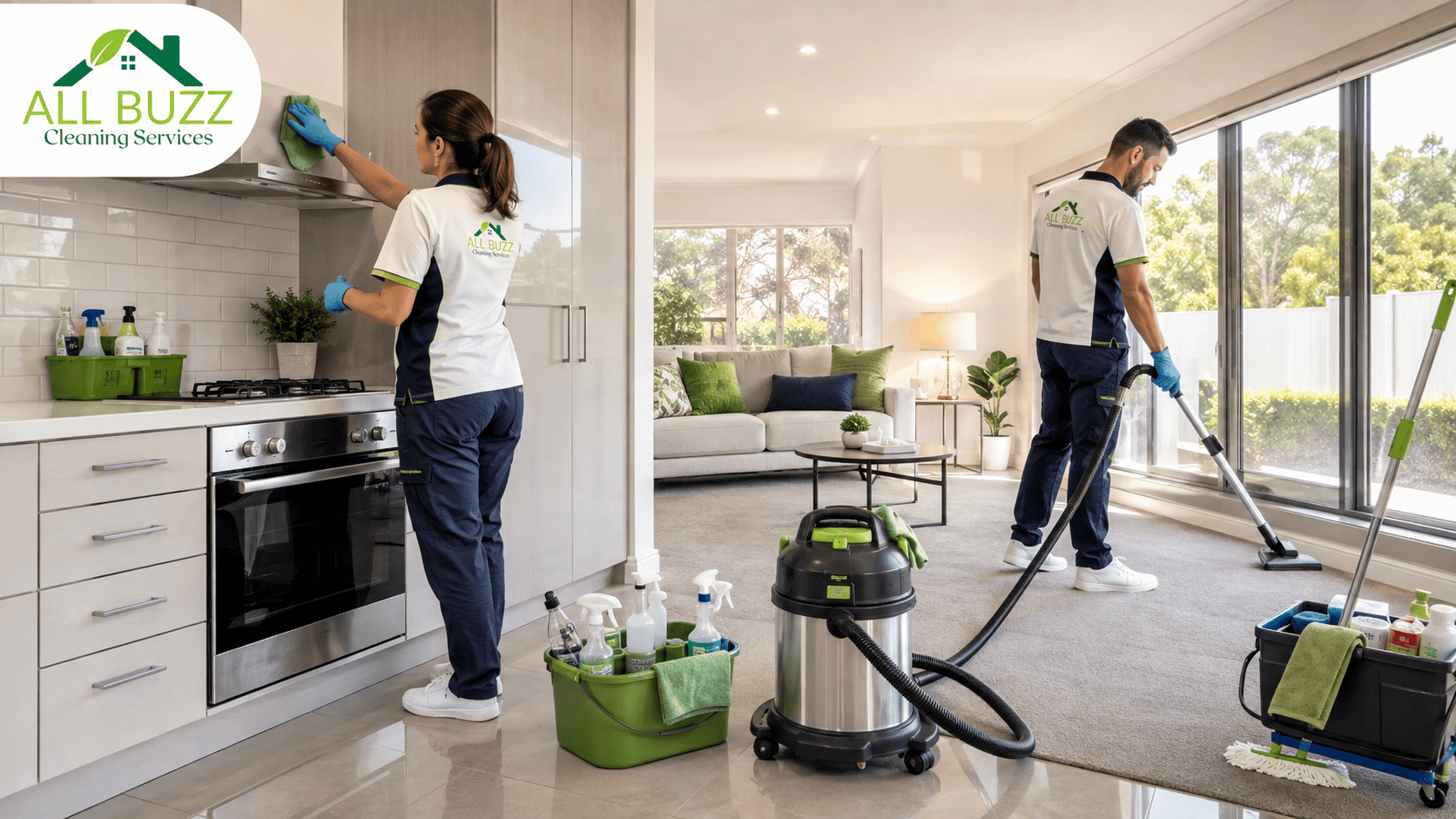
Professional vacate cleaners Perth often use commercial-grade equipment, specialised cleaning products, and proven processes that allow them to tackle difficult areas efficiently.
Some common situations include:
Busy Professionals
Someone working full-time may only have one weekend before key handover.
Professional assistance saves valuable time.
Families
Moving with children is stressful enough without spending two full days scrubbing ovens and bathrooms.
Large Homes
Cleaning a four-bedroom property thoroughly can easily require an entire day—or longer.
First-Time Renters
Many simply don’t know what inspection standards involve until after receiving feedback from property managers.
Bond Back Cleaning Perth: Why Detail Matters
One of the primary goals of Bond Back Cleaning Perth is reducing the likelihood of cleaning-related bond deductions.
Property managers commonly revisit areas such as:
- Oven grease
- Bathroom mould
- Window tracks
- Rangehood filters
- Built-in wardrobes
- Ceiling fans
- Skirting boards
Missing just a few items can result in re-clean requests.
Completing a comprehensive clean before inspection is often easier than returning later after moving everything out.
Common Areas That Are Frequently Missed
Even diligent tenants often overlook:
- Behind refrigerators
- Under washing machines
- Top of kitchen cupboards
- Inside drawers
- Sliding door tracks
- Power outlets
- Light switches
- Air conditioning filters
- Garage corners
- Outdoor storage spaces
These aren’t obvious during everyday living but become noticeable in an empty property.
Practical Example: Why Regular Cleaning Isn’t Enough
Imagine two tenants living in identical apartments.
Tenant A vacuums weekly, wipes kitchen benches, cleans bathrooms every weekend, and keeps everything tidy.
Tenant B follows a similar routine but books a final vacate clean before inspection.
During inspection:
Tenant A receives feedback requesting:
- Oven cleaning
- Window tracks
- Exhaust fan
- Shower grout
- Cupboard interiors
Tenant B passes inspection with minimal or no cleaning concerns because hidden areas were addressed.
The difference wasn’t cleanliness during tenancy.
It was preparation for inspection.
Common Misconceptions About Vacate Cleaning
“My Home Already Looks Clean”
Appearance can be misleading.
Inspection standards focus on details, not just presentation.
“The Landlord Won’t Notice”
Property managers inspect dozens or hundreds of rental properties every year.
They know exactly where dirt commonly accumulates.
“I Can Finish Everything in a Few Hours”
A complete end-of-lease clean for an average home often takes significantly longer than expected, especially when appliances and windows require detailed attention.
“Only Dirty Homes Need Vacate Cleaning”
Even spotless homes accumulate hidden dust, grease, and mineral deposits over months or years.
Expert Tips for a Successful Vacate Clean
Experienced cleaning professionals often recommend:
Empty the Property First
Cleaning is far easier without furniture blocking access.
Keep Your Entry Report
Compare the property’s original condition with its current state.
Start Early
Don’t leave everything until moving day.
Focus on High-Risk Areas
Prioritise:
- Kitchen appliances
- Bathrooms
- Windows
- Floors
- Cupboards
Check Every Room Twice
Walk through each room slowly before handing over the keys.
Small details often stand out in an empty house.
When Should You Book Vacate Cleaning?
Many experienced movers recommend scheduling cleaning:
- After furniture removal
- Before the final inspection
- When utilities remain connected
- Allowing enough time for touch-ups if required
Planning ahead helps avoid unnecessary pressure during moving week.
Is DIY Vacate Cleaning Worth It?
The answer depends on:
- Property size
- Available time
- Cleaning experience
- Lease requirements
- Inspection expectations
DIY cleaning can work well for smaller properties if tenants are prepared for the level of detail required.
However, larger homes, heavily used kitchens, and time-sensitive moves often demand considerably more effort than expected.
Final Thoughts
The biggest difference between Vacate Cleaning Perth and everyday housekeeping is purpose.
Regular cleaning helps you enjoy a healthy and tidy home throughout your tenancy. Vacate cleaning prepares that same home for one of its most detailed inspections.
Understanding this distinction helps tenants plan more effectively, avoid common oversights, and reduce the stress that often comes with moving out. Whether you tackle the work yourself or choose Professional vacate cleaners Perth, focusing on inspection-level detail—not just visible cleanliness—can make the handover process far smoother.
Rather than treating vacate cleaning as an ordinary weekend chore, think of it as the final step in completing your tenancy responsibly and giving yourself the best chance of a successful bond return.
Frequently Asked Questions
1. What is the biggest difference between Vacate Cleaning Perth and regular cleaning?
Regular cleaning maintains a home’s appearance and hygiene during everyday living, while Vacate Cleaning Perth is a comprehensive, inspection-focused process completed before moving out. It includes detailed cleaning of hidden and high-use areas such as ovens, window tracks, cupboards, exhaust fans, and skirting boards that are not usually part of weekly cleaning routines.
2. Why do property managers expect a higher standard during end-of-lease inspections?
Property managers compare the property’s condition against the original entry report and assess whether it’s ready for the next tenant. They inspect areas that tenants often overlook, including appliances, grout, light fittings, and storage spaces. This detailed approach helps ensure the property is returned in an acceptable condition under the lease agreement.
3. Can I do my own End of Lease Cleaning Perth instead of hiring professionals?
Yes, many tenants complete their own End of Lease Cleaning Perth successfully. However, it requires careful planning, the right equipment, sufficient time, and a thorough understanding of inspection expectations. Missing hidden areas or leaving behind grease, soap scum, or dust can lead to re-clean requests or bond deductions.
4. Why are Professional vacate cleaners Perth often recommended?
Professional vacate cleaners Perth are familiar with common inspection checklists and know which areas property managers scrutinise most closely. Their experience, specialised equipment, and systematic cleaning methods can help achieve a more consistent inspection-ready result, particularly for larger properties or tight moving schedules.
5. Does Bond Back Cleaning Perth guarantee my bond will be returned? No cleaning service can guarantee a full bond return because other factors—such as property damage, unpaid rent, missing items, or lease breaches—may affect the outcome. However, thorough Bond Back Cleaning Perth significantly reduces the risk of cleaning-related issues being identified during the final property inspection.