

October 17, 2026
How Professional Vacate Cleaning Helps Owners Prepare for Multiple Property Inspections
Preparing a property for inspection can be more complicated than simply making it look clean. A rental property may need to be ready for a final inspection after a tenant moves out, while a property being sold might require a pre-sale inspection. Landlords and property managers may also need to organise routine checks, insurance inspections or other assessments before the next occupant moves in.
Each inspection has a different purpose, but one thing remains consistent: a clean, well-presented property makes it easier to assess the condition of the premises.
Professional Vacate Cleaning Perth services can help property owners manage these competing demands by addressing accumulated dirt, kitchen grease, bathroom residue, dusty surfaces and other cleaning issues before an inspection takes place. Rather than rushing through several rooms at the last minute, owners can follow a planned cleaning process that considers the property’s condition, inspection requirements and available timeframe.
For owners, landlords and property managers, the goal is not to make unrealistic promises about inspection outcomes. It is to present the property in a clean, accessible and well-maintained condition, making it easier to identify maintenance concerns and prepare for the next stage of the property’s use.
At All Buzz Cleaning Services, a structured approach to vacate cleaning can help Perth property owners prepare their premises for different inspection scenarios. Understanding what each inspection involves, which areas deserve attention and how professional cleaning fits into the preparation process can make the entire task more manageable.
Understanding Why Property Inspections Require Careful Preparation
A property inspection is an opportunity to assess a property’s condition for a particular purpose. Depending on the circumstances, the person conducting the inspection may be checking cleanliness, looking for maintenance issues, assessing presentation or documenting the condition of the building.
A property that has recently been vacated can present several challenges. Furniture may have concealed dust or marks, kitchen appliances may have accumulated grease, and bathroom fittings may show soap residue or mineral deposits. Cupboards, skirting boards, window tracks and other overlooked areas can also need attention.
These issues become more noticeable when a property is empty because there are fewer belongings to distract from the condition of the surfaces.
Professional cleaning helps address these concerns systematically. It also gives owners a clearer opportunity to identify problems that cleaning alone cannot resolve, such as damaged fittings, leaking taps, cracked tiles or deteriorating paintwork.
Why one property may need several inspections
Property owners do not always have the luxury of preparing for just one inspection. For example, a landlord might arrange a final rental inspection, followed by a maintenance assessment and a pre-leasing inspection before advertising the property again.
Similarly, a seller might want the property cleaned before a pre-sale inspection and then arrange another assessment for insurance or maintenance purposes.
Although these inspections can overlap, they are not interchangeable. A cleaning checklist should therefore reflect the property’s actual needs rather than assume that one cleaning session automatically satisfies every requirement.
A practical preparation plan considers:
- The purpose and date of each inspection.
- The condition of the property after occupants have moved out.
- The areas that need detailed cleaning.
- Any maintenance concerns requiring a separate tradesperson.
- Whether further work or additional cleaning may be needed before the next inspection.
This approach helps owners avoid unnecessary repeat work while keeping expectations realistic.
How Vacate Cleaning Perth Supports Different Property Inspections
Professional vacate cleaning is useful when a property needs to be presented in a clean condition for more than one assessment. The key is to understand what each inspection is intended to establish and prioritise the cleaning tasks that support that purpose.
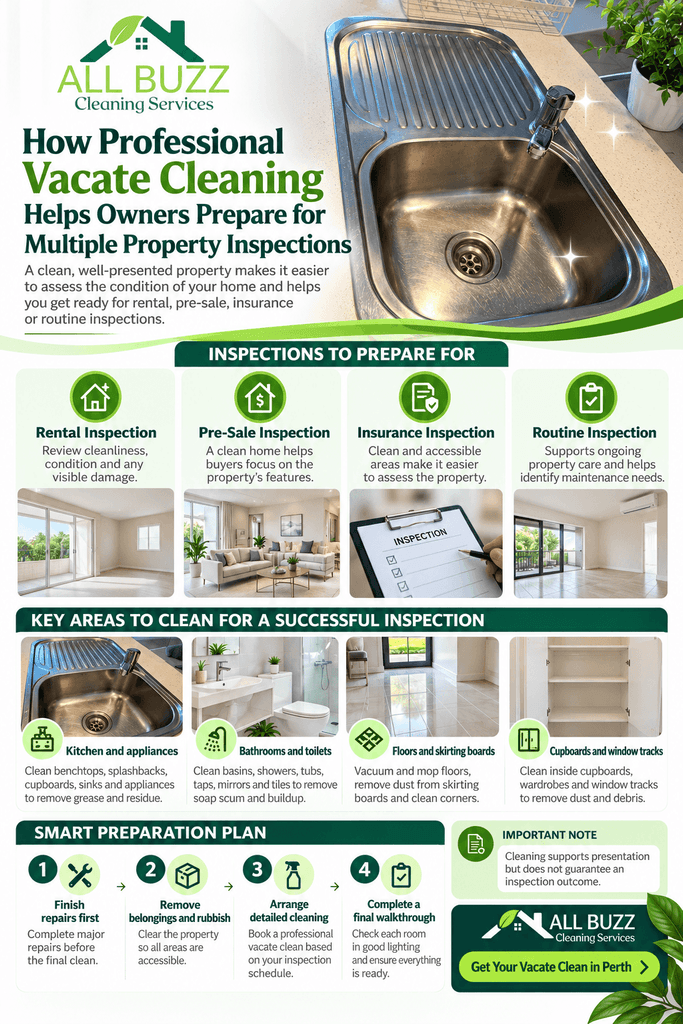
1. Rental Inspection and Final Condition Checks
A final rental inspection commonly involves reviewing the property’s condition after a tenancy ends. The inspection may cover cleanliness, visible damage, fixtures, appliances and the condition of areas identified in the original property condition report.
Cleaning can help owners and property managers assess these areas more clearly. For example, grease left behind on a cooktop may obscure its underlying condition, while dust inside cupboards can make an otherwise tidy kitchen appear neglected.
A thorough cleaning plan should cover:
- Kitchen benchtops, cupboards, splashbacks and accessible appliance surfaces.
- Bathrooms, toilets, showers, taps and mirrors.
- Floors, skirting boards and accessible corners.
- Internal windows and window tracks where included in the agreed scope.
- Wardrobes, storage spaces and other areas cleared of personal belongings.
It is important to distinguish between cleanliness and damage. A professional cleaner may remove ordinary surface grime, but cleaning will not repair chipped tiles, broken handles, damaged flooring or permanent stains.
For rental properties in Western Australia, owners should also consider the tenancy agreement, the property’s entry condition report and the applicable tenancy requirements. A cleaning service should not promise a bond refund or claim that its work automatically guarantees a satisfactory inspection.
2. Pre-Sale Inspection and Presentation
When preparing a property for sale, presentation can influence how prospective buyers perceive the space. A clean kitchen, fresh-looking bathroom and dust-free living areas make it easier to see the property’s layout, finishes and usable space.
A pre-sale inspection may focus on property condition, maintenance concerns or features relevant to the sale. Cleaning does not replace a building inspection, valuation or other professional assessment. However, it can help remove avoidable distractions caused by everyday dirt and residue.
Consider a vacant Perth home with dusty window tracks, greasy kitchen surfaces and marks around frequently used door handles. These issues may not indicate serious defects, but they can make the property appear less cared for than it is.
Before a scheduled inspection, owners should prioritise:
- Removing dust from accessible surfaces and ledges.
- Cleaning kitchens and bathrooms thoroughly.
- Vacuuming carpets and removing loose debris from hard floors.
- Wiping doors, handles and visible switches where suitable.
- Removing cleaning equipment, rubbish and leftover packing materials.
A clean presentation can help potential buyers focus on the property’s actual features rather than avoidable mess.
3. Insurance Inspection and Property Condition
An insurance inspection may involve reviewing the property’s condition, maintenance history, safety concerns or specific features relevant to an insurer’s assessment. The exact requirements depend on the insurer, policy and reason for the inspection.
Cleaning can make accessible areas easier to view. For example, removing dust and clutter from a storage area may improve access to visible surfaces, while cleaning around a kitchen sink can make it easier to notice signs of a leak.
However, cleaning must never be used to conceal damage or evidence of a problem. If an owner discovers mould, water staining, damaged flooring or signs of a leak, the appropriate response is to investigate the cause and arrange suitable remediation or repairs.
Before an insurance inspection, owners can:
- Clear unnecessary belongings from the inspection area.
- Keep access routes and service areas unobstructed.
- Clean ordinary surface dirt where appropriate.
- Record existing damage and maintenance concerns.
- Follow any specific instructions supplied by the insurer or inspector.
Professional cleaning supports presentation and access, but it cannot establish that a property meets insurance requirements or resolve a maintenance defect.
4. Routine Inspection and Ongoing Property Care
Routine inspections help landlords and property managers review a property’s condition during an ongoing tenancy. Depending on the inspection’s purpose, they may examine visible maintenance concerns, general cleanliness, signs of damage and areas requiring attention.
Vacate cleaning is not usually necessary for every routine inspection. A property that remains occupied may benefit more from regular housekeeping and targeted maintenance than from a full end-of-tenancy clean.
However, a more detailed clean may be appropriate before a routine inspection when a property has recently undergone repairs, experienced a leak or accumulated significant dust during renovation work.
For example, if a contractor has replaced a kitchen tap, dust and packaging may remain around the work area. Cleaning the surrounding surfaces and floor can make it easier to review the completed work and identify anything that still needs attention.
The most effective approach is to match the cleaning scope to the property’s condition. This avoids paying for unnecessary work while ensuring that areas relevant to the inspection are presentable.
5. Property Readiness Before a New Occupant Moves In
Property Readiness involves more than making rooms look tidy. A vacant property should be clean, accessible and prepared for its next stage, whether that means a new tenancy, a sale or continued ownership.
Cleaning between occupants is particularly useful because furniture and personal belongings no longer obstruct many surfaces. This creates an opportunity to clean cupboards, floors, bathroom fittings and other areas that may have received limited attention during everyday occupancy.
Owners should also coordinate cleaning with repairs, pest treatments and maintenance visits. If a plumber, electrician or painter is scheduled to work after the cleaning appointment, some areas may need to be cleaned again.
A sensible sequence is to complete major repairs first, remove rubbish and unwanted belongings, undertake the detailed clean, and then conduct a final walkthrough. This helps reduce duplicated work and gives owners a clearer view of the property’s condition.
What Professional Vacate Cleaning Should Cover
A reliable cleaning plan starts with the property’s actual condition rather than a one-size-fits-all checklist. Some properties need only a standard end-of-tenancy clean, while others require extra attention because of heavy use, renovation dust, long vacancies or neglected surfaces.
A professional cleaner should clarify the agreed scope before work begins. Owners should understand which rooms, surfaces and tasks are included, as well as any exclusions or additional charges.
Kitchen cleaning
Kitchens often require detailed attention because cooking creates grease, food residue and odours over time.
Common tasks include:
- Cleaning benchtops, splashbacks and accessible cupboard surfaces.
- Removing ordinary grease from suitable cooktop surfaces.
- Wiping appliance exteriors and accessible handles.
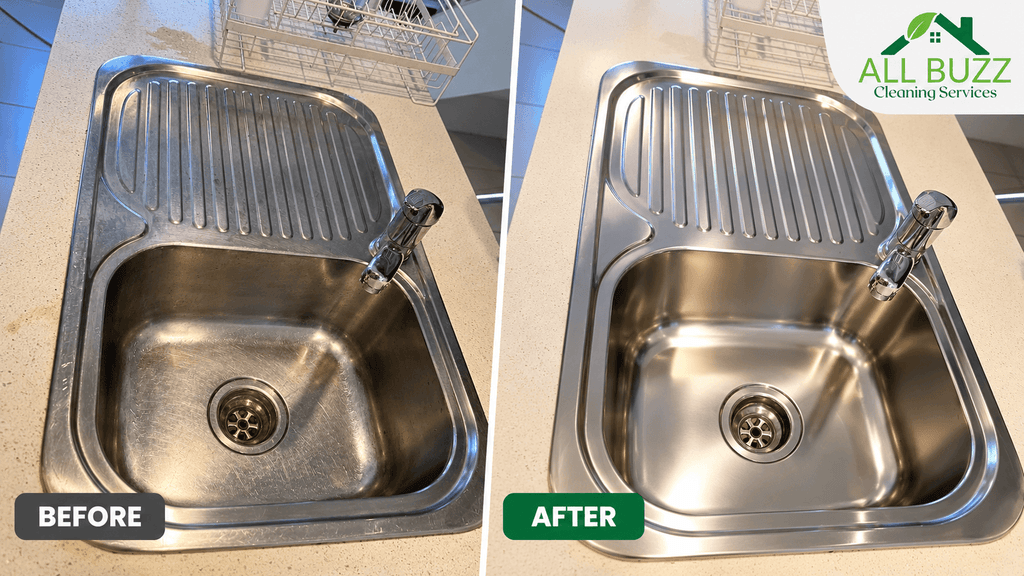
- Cleaning sinks and taps.
- Removing crumbs and loose debris from accessible areas.
- Cleaning floors after the other tasks are completed.
Oven interiors, rangehood filters and certain appliance interiors may require separate attention depending on the service agreement. Owners should confirm these details rather than assume every appliance is included.
Bathroom and laundry cleaning
Bathrooms can accumulate soap scum, mineral deposits, hair and residue around frequently used fittings. These areas often benefit from a methodical approach using products suitable for the material being cleaned.
Typical tasks include cleaning toilets, basins, mirrors, shower screens, taps and accessible tiled surfaces. Laundry areas may also need attention around sinks, benchtops, cupboard fronts and floors.
Persistent mould, damaged grout and heavy mineral buildup may require specialist treatment or repairs. Cleaning products should be selected carefully, particularly around natural stone, coated surfaces and older fittings.
Floors, windows and overlooked areas
Floor cleaning should reflect the surface type. Tiles, timber, vinyl and carpet have different care requirements, so an unsuitable product or excessive moisture can cause damage.
Other commonly overlooked areas include:
- Skirting boards and door frames.
- Light fittings and accessible ledges.
- Internal window glass and tracks.
- Wardrobes and cupboard interiors.
- Corners behind doors and around fixed fixtures.
The exact tasks should be agreed in advance, particularly for external windows, high or difficult-to-reach areas, blinds, carpet steam cleaning and other specialist work.
How to Coordinate Multiple Property Inspections Without Repeating Work
When several inspections are scheduled close together, timing becomes just as important as the cleaning itself. A clean property can quickly collect dust again if tradespeople are still working, furniture is being moved or garden maintenance is underway.
The following process can help owners organise their preparation more efficiently.
Step 1: Create an inspection schedule
List every confirmed inspection date, its purpose and any preparation requirements. Identify which areas need to be accessible and whether the inspector has requested specific documents or information.
For instance, if a rental condition check is scheduled before a pre-sale assessment, the owner may be able to complete one detailed clean and then undertake a short touch-up before the second visit.
Step 2: Complete repairs before detailed cleaning
Arrange necessary repairs before the final clean wherever practical. Painting, plumbing work, electrical repairs and furniture removal can create dust or marks that undo recently completed cleaning.
If a repair cannot be completed beforehand, identify the affected area and allow time for additional cleaning afterwards.
Step 3: Confirm the cleaning scope
Discuss the property’s condition, the inspection dates and any areas requiring special attention with the cleaning provider. Ask for a clear explanation of included tasks, exclusions and any additional services that may be needed.
This is particularly important when an owner expects several inspections to be supported by one appointment. The agreed scope should reflect the property’s actual requirements rather than an assumption that every possible cleaning task is included.
Step 4: Conduct a final walkthrough
After cleaning, inspect each room in good lighting. Look for visible dust, missed surfaces, remaining rubbish and areas that may need another pass.
Check that cupboards and storage spaces are empty if required, floors are suitable for inspection, and access routes are clear. If a particular inspector has provided additional requirements, verify those separately.
Step 5: Keep maintenance and cleaning records separate
Cleaning invoices, repair receipts, condition reports and inspection notes serve different purposes. Keeping them organised helps owners track completed work and outstanding issues.
Photographs can also help document the property’s condition at a particular time. They should be clear, dated where possible and stored alongside the relevant records.
Best Vacate Cleaning Services Perth: What Should Owners Look For?
Choosing a cleaning provider involves more than comparing the lowest quote. Owners should look for a service that communicates clearly, explains its scope and understands the practical demands of preparing a property after a tenancy.
When comparing Best Vacate Cleaning Services Perth options, consider the following factors.
A clearly defined checklist: The provider should explain which rooms and tasks are covered. This reduces the risk of misunderstandings about ovens, windows, cupboards, carpets or other specific requirements.
Transparent pricing: Ask whether the quote reflects the property’s size, condition and requested services. Confirm how additional work is priced before the appointment.
Suitable scheduling: When multiple inspections are approaching, reliable communication about availability and completion timing is essential. Avoid assuming that a booking can be moved or extended without confirmation.
Appropriate cleaning methods: Products and techniques should suit the surfaces being cleaned. Delicate finishes, natural stone, timber and certain coatings may need different treatment from standard hard surfaces.
A practical quality-check process: Ask how the provider handles missed items within the agreed scope and what procedure applies if a concern is reported after completion.
Clear limits on guarantees: A cleaner can agree to perform specified tasks, but should not promise that a landlord, property manager, buyer or insurer will approve the property. Inspection decisions may depend on matters outside the cleaning provider’s control.
For owners seeking a structured approach, All Buzz Cleaning Services can be considered as part of the process of arranging professional cleaning in Perth. The appropriate service scope should be confirmed against the property’s condition, timing and inspection needs.
Common Vacate Cleaning Mistakes to Avoid
Even a well-planned inspection can become stressful when preparation is left until the last minute. Several common mistakes can also lead to unnecessary expense or confusion.
Booking cleaning before the property is empty
Cleaning around furniture, boxes and personal belongings can limit access to surfaces and create extra work later. Where possible, arrange the detailed clean after belongings and rubbish have been removed.
Assuming every inspection has identical requirements
A rental condition inspection, pre-sale assessment and insurance inspection have different purposes. Cleaning can support presentation, but it cannot replace maintenance checks, building assessments or documentation requested by the relevant professional.
Ignoring existing damage
A mark on a wall may be removable surface dirt, but it could also be damaged paint. Similarly, discolouration around a bathroom fitting may indicate a cleaning issue or a maintenance concern.
Do not assume every visible problem can be corrected through cleaning. Identify uncertain issues and arrange appropriate advice or repairs where necessary.
Using harsh products on unsuitable surfaces
Strong chemicals, abrasive pads and excessive moisture can damage some finishes. Test products where appropriate, follow manufacturer guidance and use a suitable method for each material.
Never mix cleaning chemicals, particularly products containing bleach with acidic cleaners or ammonia-based products. Mixing them can release hazardous gases.
Leaving the final check until the inspector arrives
A last-minute walkthrough leaves little time to address missed tasks or arrange follow-up work. Schedule the clean early enough to allow a reasonable review period, especially when several inspection dates are close together.
Practical Expert Tips for Better Property Readiness
A few straightforward habits can make the preparation process more efficient without adding unnecessary tasks.
- Start with a condition assessment. Walk through the property and note heavy grease, bathroom buildup, dusty tracks, carpet stains and areas needing repairs.
- Prioritise high-impact areas. Kitchens, bathrooms, floors and visible surfaces often deserve early attention because they are used frequently and can accumulate noticeable residue.
- Work from top to bottom. Dusting higher surfaces before cleaning lower surfaces and floors helps prevent completed work from becoming dirty again.
- Allow products sufficient contact time. Follow the label instructions for cleaning products instead of immediately wiping them away or using stronger chemicals unnecessarily.
- Avoid unnecessary repeat cleaning. Coordinate the cleaner, repair workers and inspectors so that major work is completed in a sensible order.
- Keep access safe. Clear walkways, remove trip hazards and avoid blocking utility areas that may need to be inspected.
- Check ventilation and odours. Remove rubbish, clean appropriate surfaces and ventilate the property when safe to do so. Strong fragrances should not be used to mask persistent odours, as these may indicate an underlying problem.
- Document outstanding issues. Record repairs, persistent stains or damage that cannot reasonably be addressed through cleaning.
One useful example is a vacant rental property that has recently had a leaking tap repaired. The owner can arrange the repair first, clean the surrounding cupboard and floor afterwards, and then review the area for any remaining signs of moisture. This sequence is more useful than cleaning the affected area before the repair and having to repeat the work.
The same principle applies to properties being prepared for sale: complete dusty maintenance work first, then focus on the final presentation.
Conclusion
Preparing a property for multiple inspections is easier when cleaning, repairs and scheduling are treated as connected but separate tasks. A detailed clean can improve presentation, remove accumulated dirt and make accessible areas easier to assess. However, the best results come from matching the cleaning scope to the property’s condition and the purpose of each inspection.
For landlords, property managers and sellers, Vacate Cleaning Perth should be approached as part of a wider property preparation plan. Complete major repairs first, confirm what each inspection requires, organise the cleaning, and leave enough time for a final walkthrough. This practical sequence can reduce duplicated work and help prevent avoidable last-minute problems.
All Buzz Cleaning Services can help property owners consider a suitable cleaning plan for their vacant property in Perth. When arranging Vacate Cleaning Services Perth, discuss the property’s condition, inspection deadlines and required tasks beforehand. Whether you are comparing Perth Vacate Cleaning Services or preparing a property for its next occupant, clear expectations and careful preparation are the foundations of a smoother process.
Frequently Asked Questions
1. Can professional vacate cleaning help prepare a property for several inspections?
Yes. A well-planned clean can help prepare kitchens, bathrooms, floors, cupboards and other accessible areas for different inspection purposes. The most efficient approach is to identify the requirements of each inspection and complete the detailed cleaning after major repairs and removals are finished. Some inspections may still require additional cleaning, documentation or maintenance work, so owners should confirm the relevant requirements in advance.
2. How far in advance should I arrange vacate cleaning in Perth?
It is sensible to book as soon as the moving date and inspection schedule are reasonably clear. The time required depends on the property’s size, condition, number of rooms and cleaning scope. A small, well-maintained unit may need less time than a large house with heavy grease, carpet stains or substantial bathroom buildup. Allow extra time for repairs, specialist treatments and a final walkthrough rather than scheduling cleaning immediately before an inspection.
3. What is the difference between vacate cleaning and routine property cleaning?
Routine cleaning generally focuses on maintaining everyday cleanliness, such as wiping surfaces, vacuuming floors and cleaning frequently used areas. Vacate cleaning is usually more detailed because the property is being prepared after occupants move out. It may include cleaning empty cupboards, skirting boards, accessible window tracks and other areas that receive less attention during regular housekeeping. The exact scope varies by provider, so owners should confirm which tasks are included before booking.
4. Does professional vacate cleaning guarantee a successful rental inspection or bond refund?
No. Professional cleaning can help address cleanliness issues, but it cannot guarantee an inspection outcome or bond refund. Decisions may depend on the tenancy agreement, entry condition report, applicable tenancy requirements, damage, maintenance concerns and other circumstances. Owners should retain relevant records, review the property’s condition and distinguish between ordinary cleaning requirements and repairs or damage that need separate attention.
5. Can vacate cleaning identify property damage before an insurance or pre-sale inspection?
Cleaning can make certain surfaces easier to view, helping owners notice visible marks, residue or potential maintenance concerns. However, a cleaning service is not a substitute for a qualified building inspector, insurance assessor or relevant tradesperson. If cleaning reveals suspected mould, water damage, damaged fittings or other defects, the owner should arrange an appropriate assessment rather than assuming that cleaning will resolve the problem.